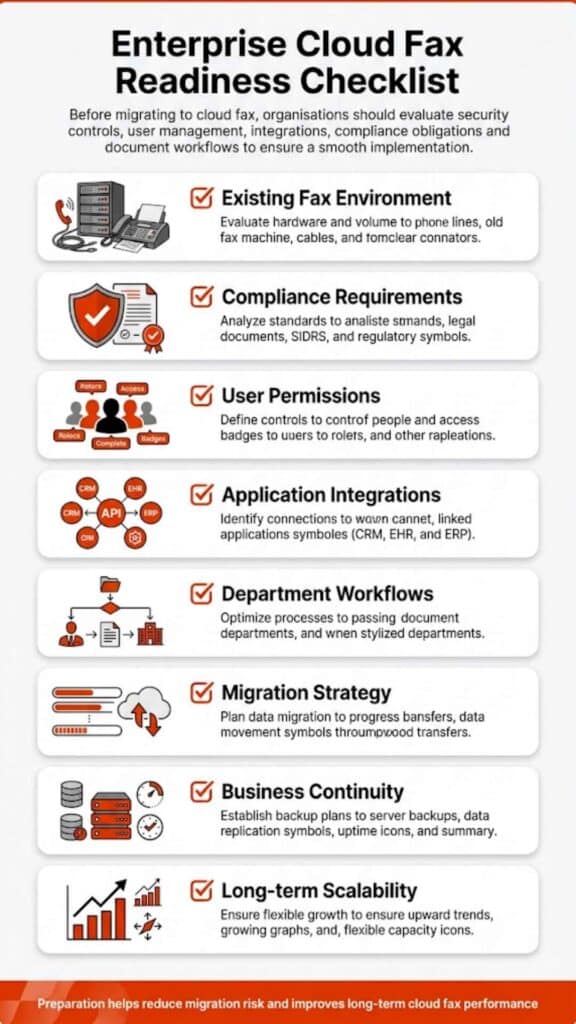
Insurance claims faxing hasn’t disappeared the way many expected. If anything, it has quietly adapted. Insurers, healthcare providers, and claims processors still rely on fax to move sensitive documents securely across systems that don’t always talk to each other. What has changed is how those faxes move. Instead of noisy machines in back offices, today’s workflows rely on secure, cloud-based Healthcare Fax Solutions that keep records traceable, compliant, and easier to manage.
Insurance claims faxing remains a critical link in regulated document exchange. This article explains how modern secure faxing improves accuracy, compliance, and workflow efficiency across insurance operations while replacing outdated systems.
Insurance Claims Faxing: Why It Still Drives Critical Workflows
Insurance claims faxing sits right in the middle of a complicated ecosystem. Claims don’t move in a straight line. They pass through providers, billing teams, insurers, and sometimes third-party administrators. Each step involves documents. A lot of them.
And here’s the thing, those documents don’t always live in the same system. That’s where insurance claims faxing still holds its ground. It gives organizations a way to send a fax securely without worrying about compatibility issues. Whether it’s a claim form, a referral, or supporting medical records, faxing insurance documents keeps everything moving when digital systems hit a wall.
You won’t hear people say it out loud, but in regulated industries, reliability matters more than trendiness. Faxing delivers that reliability.
Why the Insurance Industry Still Relies on Faxing
It’s easy to assume faxing should have disappeared by now. But that assumption doesn’t hold up in real-world insurance operations.
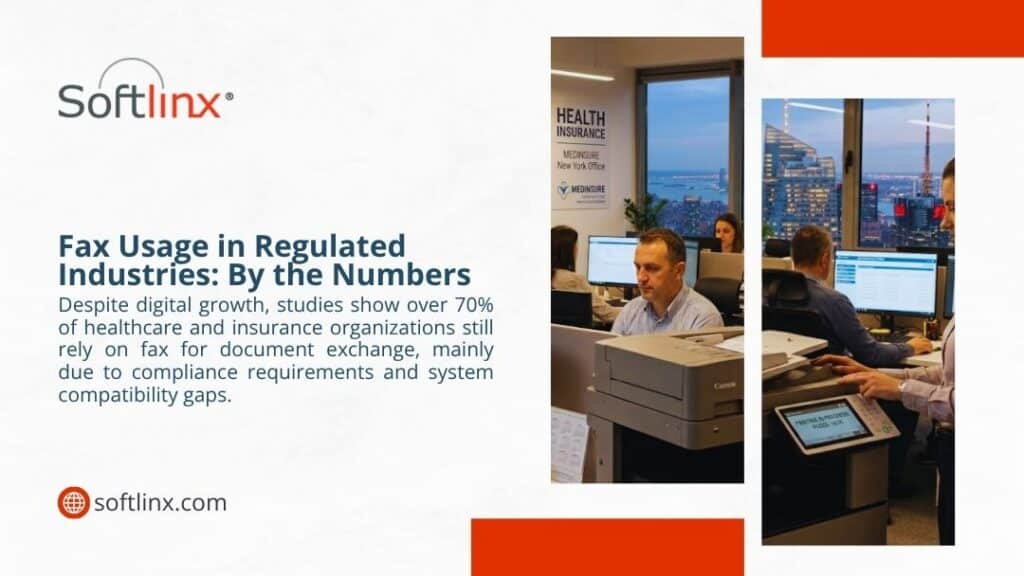
Regulations are a big reason. Sensitive information, especially healthcare-related claims, needs protection. According to the U.S. Department of Health & Human Services, organizations must ensure secure transmission of protected data. Faxing, when handled through secure systems, still meets those expectations.
Then there’s interoperability. Insurance companies don’t operate in isolation. They exchange data with hospitals, clinics, labs, and external vendors. Not all those systems integrate neatly. Insurance claims faxing fills that gap without forcing system changes.
There’s also a practical angle. Faxed documents remain widely accepted as official records. That alone keeps faxing relevant, especially in audits or disputes. So while technology evolves, faxing sticks around, not because it’s outdated, but because it still works where it counts.
How Insurance Claims Faxing Works in Real Workflows
Claims processing isn’t just about sending documents. It’s about how those documents move, where they land, and who handles them next.
| Stage | What Happens with Insurance Claims Faxing |
| Submission | Providers (Clinics, labs, hospitals, doctors) send fax claims (CMS-1500 or UB-04 forms) and attachments via fax number |
| Intake | Systems receive incoming faxes and log them |
| Routing | Documents are directed automatically or manually |
| Review | Claims teams evaluate faxed records |
| Storage | Documents are archived with timestamps and logs |
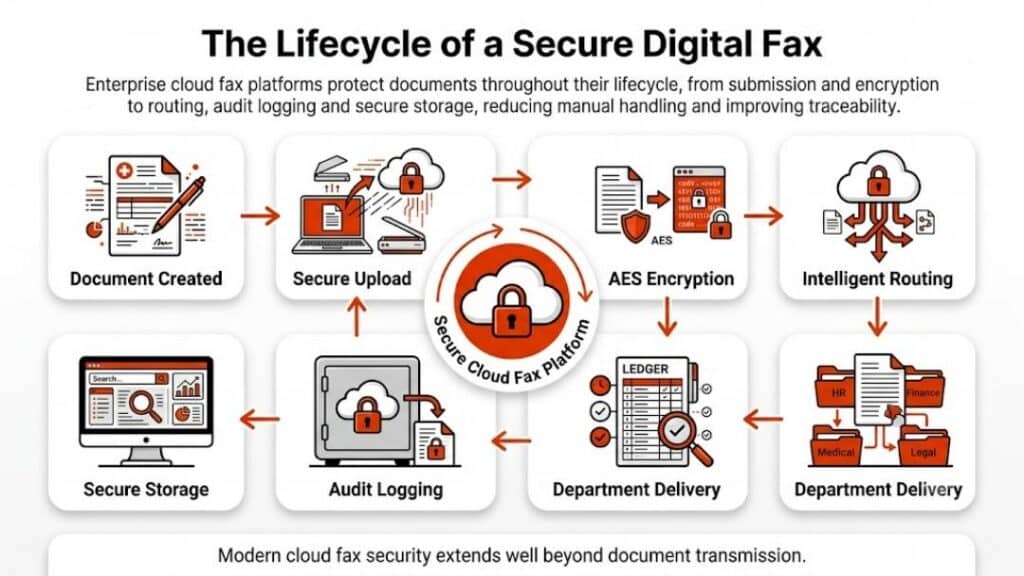
A provider might send a claim from their billing system. That document travels through a secure faxing service and lands in an intake system. From there, it gets routed (via OCR), sometimes automatically, to the right department.
That routing step matters more than most people realize. Without it, documents pile up, delays creep in, and errors multiply. Modern systems don’t just receive faxes. They organize them. And that’s what makes insurance claims faxing still usable at scale.
Key Challenges in Traditional Faxing for Insurance Claims
Traditional setups don’t hold up well under pressure. Manual processes introduce mistakes. A single digit off in a fax number can send sensitive documents somewhere they shouldn’t go. That’s not just inconvenient, it’s risky.
Volume is another issue. Insurance companies process thousands of claims every day. A standard fax machine can’t keep pace with that kind of demand.
Tracking also becomes a problem. Once a document is sent, there’s often no clear visibility into whether it was received or processed. Security concerns linger, too. Paper sitting in a fax tray isn’t exactly protected. Anyone nearby can see it. These issues don’t always show up immediately. But over time, they slow everything down.
Secure Faxing and Compliance in Insurance Claims Processing
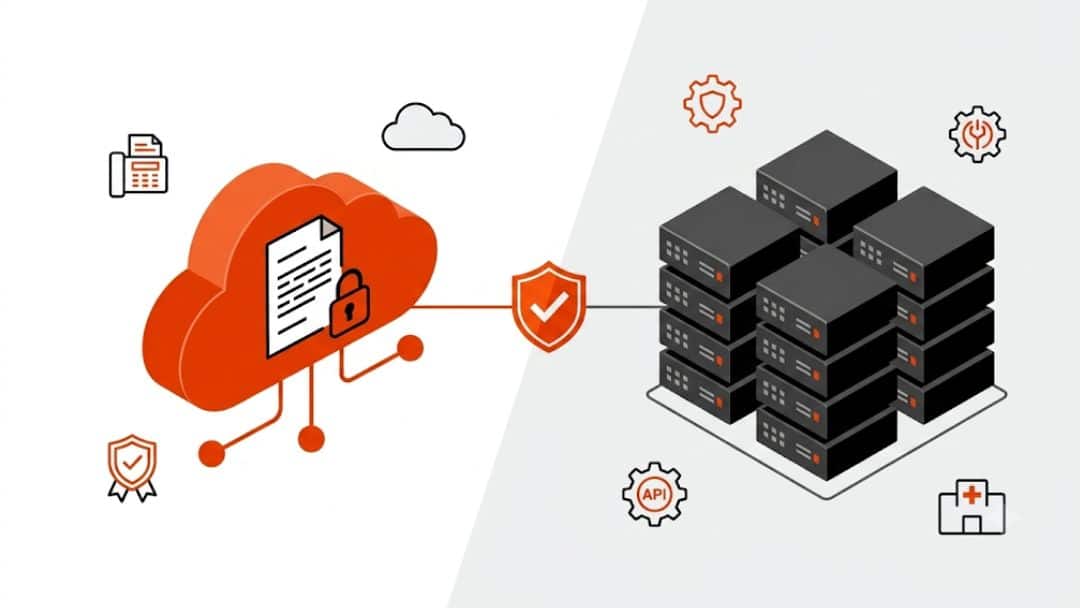
Security isn’t optional in insurance claims faxing. It’s built into the process. Sensitive documents need protection at every stage, from transmission to storage. Modern secure faxing systems use encryption to ensure documents travel safely. Access controls limit who can view or handle those documents.
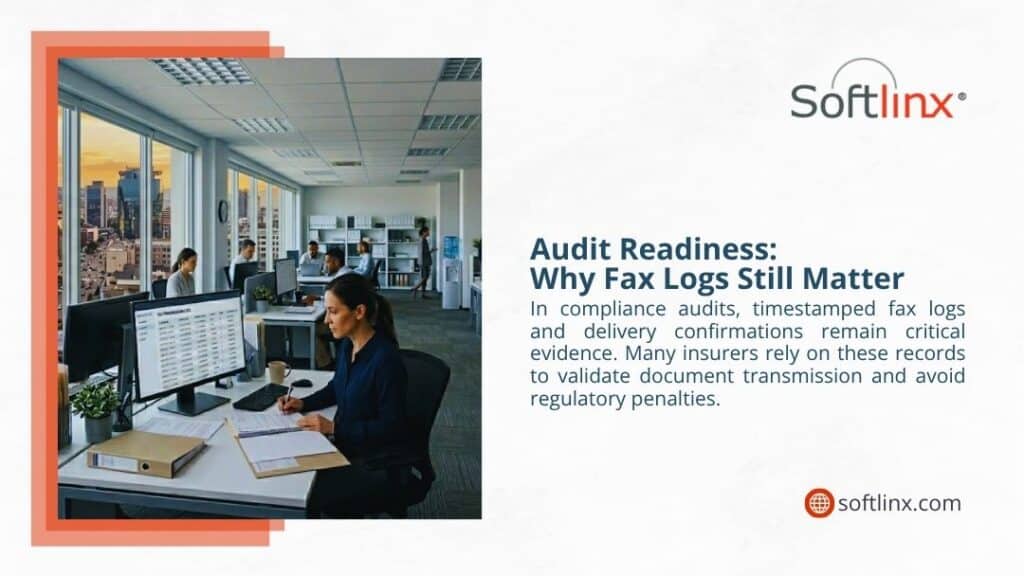
Audit trails add another layer. Every action gets recorded. Who sent the fax, when it was received, and who accessed it, it’s all logged. For organizations navigating compliance requirements, understanding HIPAA-compliant fax processes helps clarify what secure faxing actually looks like in practice.
And that’s where modern systems stand apart. They don’t just send documents. They prove that those documents were handled correctly.
Cloud Fax vs Fax Machine for Insurance Claims
The shift from fax machines to cloud-based systems didn’t happen overnight. But it’s happening.
| Feature | Fax Machine | Cloud Fax |
| Security | Basic | Encrypted, controlled access |
| Capacity | Limited | Scales easily |
| Tracking | Minimal | Real-time tracking |
| Integration | None | Connects with systems |
| Access | Physical location | Remote access |
Cloud fax allows organizations to send a fax without relying on physical hardware. Documents move through secure online platforms instead.If you’re weighing options, comparing on-premise vs cloud fax systems can highlight the operational differences. The change isn’t just technical. It’s operational.
Benefits of Online Faxing for Insurance Companies
Online faxing doesn’t change the nature of insurance claims faxing; it refines how it works behind the scenes. One noticeable improvement is consistency. Documents reach the intended recipient without the guesswork that often comes with manual processes. That reduces rework and follow-ups.
Another advantage is visibility. Teams can track whether a fax was delivered, received, and processed. That alone removes a lot of uncertainty from claims handling. Operational flexibility improves as well. Staff can send a fax from anywhere without being tied to a specific device or location. That becomes especially useful for distributed teams.
There’s also better control over document handling. Digital storage makes it easier to locate records, which supports audits and internal reviews. Security strengthens, too. Modern systems protect sensitive documents through encryption and controlled access, which helps organizations handle insurance claims with greater confidence.
And over time, these improvements tend to reduce administrative friction. Not dramatically overnight, but steadily.
Integrating Faxing Solutions into Insurance Workflows
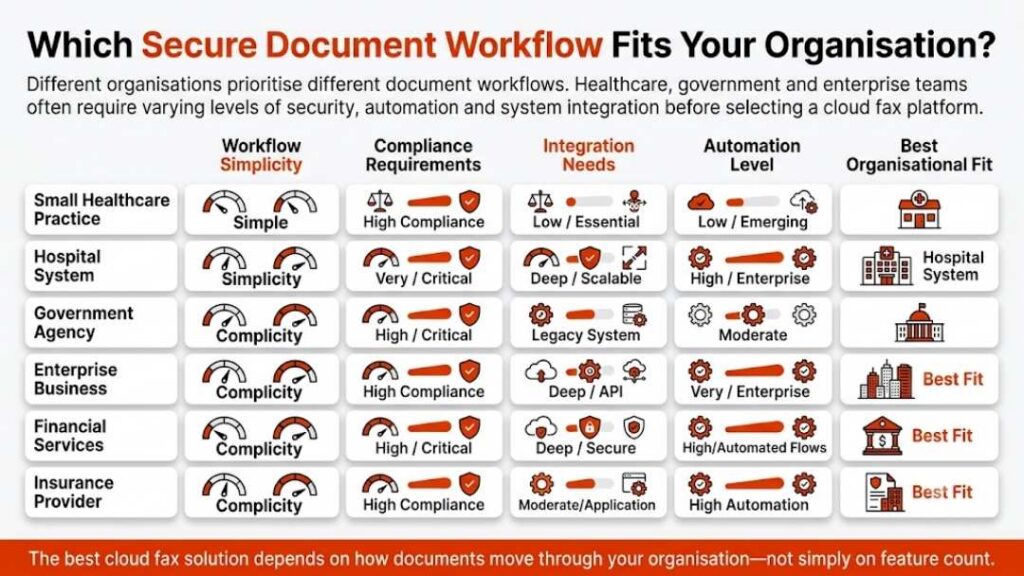
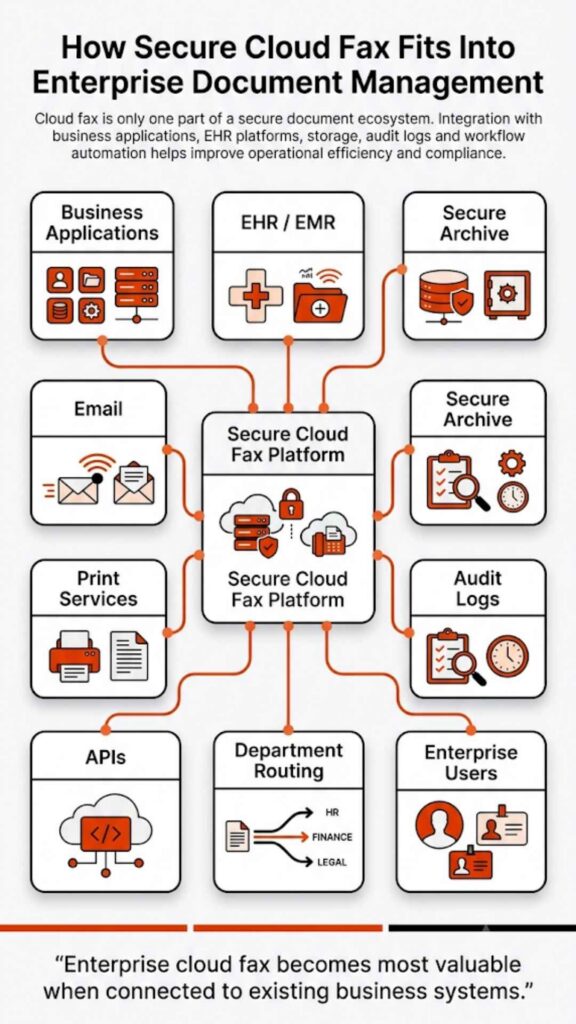
Integration is where insurance claims faxing starts to feel less like a separate task and more like part of a continuous process. In many organizations, faxing now connects directly with claims platforms or healthcare systems through solutions such as Healthcare Cloud Fax Services. That connection allows documents to move without manual uploads or downloads. It simply becomes part of the workflow.
For example, when fax integrates with clinical systems, documents can move directly between systems without extra handling. Understanding how fax connects with EHR environments shows how this works in practice.
Automation adds another layer. Incoming documents can be routed automatically based on predefined rules. That reduces delays and helps teams avoid manual sorting.
There’s also the API side. Some organizations embed faxing directly into their applications. That way, users don’t even think about faxing; they just complete a task, and the system handles the rest.
When these elements come together, faxing doesn’t disappear. It just becomes quieter and more efficient.
How to Send Insurance Claims via Secure Online Fax
The process has become more structured and predictable with secure online faxing. It begins with document preparation. Claims and supporting records are converted into digital formats that are clear and readable. Quality at this stage matters because poor documents slow down the review later.
Next comes access to the faxing platform. Users log into a secure system that manages document transmission. The recipient’s fax number is entered carefully. Accuracy here is critical. A small error can lead to misdirected documents.
Documents are then attached or uploaded into the system. Many organizations rely on email-based workflows for this step. Understanding how email-to-fax works in business environments helps clarify how messages, attachments, and routing are handled within the process.
Before sending, details are reviewed. This includes verifying the recipient, confirming document completeness, and checking for any missing pages. Once sent, the system processes the transmission through secure channels. Unlike traditional machines, modern systems provide delivery status updates.
Finally, confirmation is logged. This creates a record that the fax was delivered, which becomes important for compliance and tracking. Each step may seem simple on its own. But together, they create a process that reduces errors and improves reliability.

Managing High-Volume Insurance Claims: Faxing Efficiently
Handling a few documents is one thing. Handling thousands is another. Insurance claims faxing at scale requires systems that can manage simultaneous transmissions without slowing down. Without that capability, queues build quickly.
Load distribution plays a role here. Modern systems balance traffic to avoid bottlenecks. That keeps documents moving even during peak periods. Reliability matters just as much. If the system goes down, claims processing can stall. That’s why many organizations look closely at uptime guarantees when evaluating solutions.
Incoming document management is another piece of the puzzle. High volumes mean nothing if documents aren’t routed properly. Automated routing helps ensure that each document reaches the right team without delay.
Organizations that explore high-volume fax management strategies often find that efficiency improves not through one change, but through several small adjustments working together.
Common Mistakes When Faxing Insurance Documents
Even with modern tools, mistakes still happen. And in insurance claims faxing, small errors can create larger issues down the line.
| Mistake | Impact on Claims Processing |
| Incorrect fax number | Documents sent to unintended recipients |
| Missing cover information | Delays in routing and identification |
| Poor document clarity | Slower review and possible resubmission |
| Incomplete submissions | Additional follow-ups required |
| Lack of verification | No proof of delivery or receipt |
Each of these issues adds friction. Some slow down processing. Others introduce compliance risks. Reducing these mistakes often comes down to improving verification steps and using systems that support tracking and validation.
Future of Insurance Claims Faxing
Insurance claims faxing is shifting, but not disappearing. The change is gradual and tied to how organizations adopt new systems.
| Trend | What It Means for Insurance Claims Faxing |
| Cloud adoption | Reduced reliance on physical machines |
| Workflow automation | Faster document routing and processing |
| System integration | Seamless data exchange between platforms |
| Enhanced security | Stronger protection for sensitive data |
| Hybrid environments | Fax and digital tools working together |
These trends point toward a more integrated future. Faxing becomes less visible but remains part of the workflow. Organizations aren’t replacing it entirely. They’re reshaping how it operates.
Choosing the Right Faxing Solution for Insurance Claims
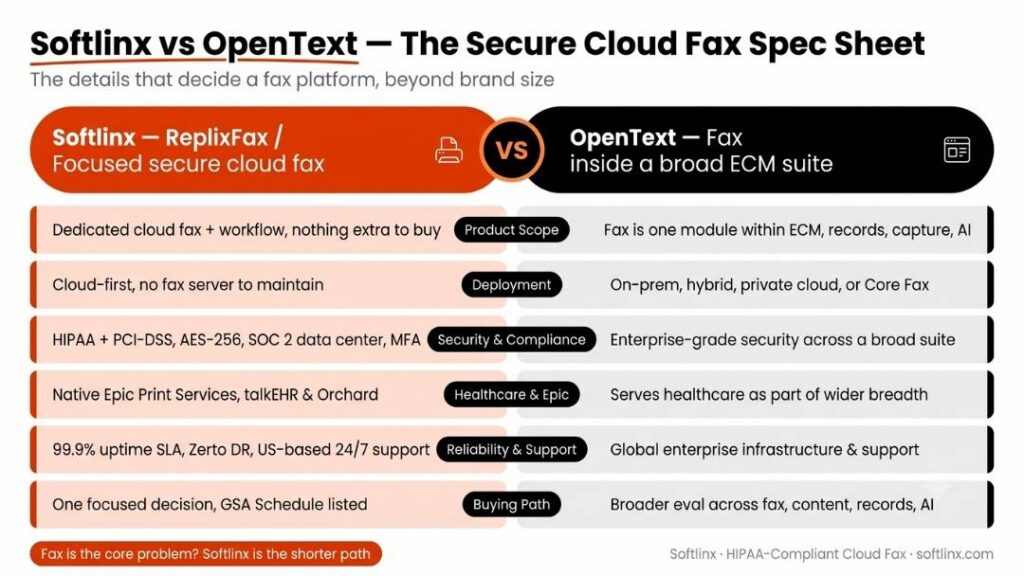
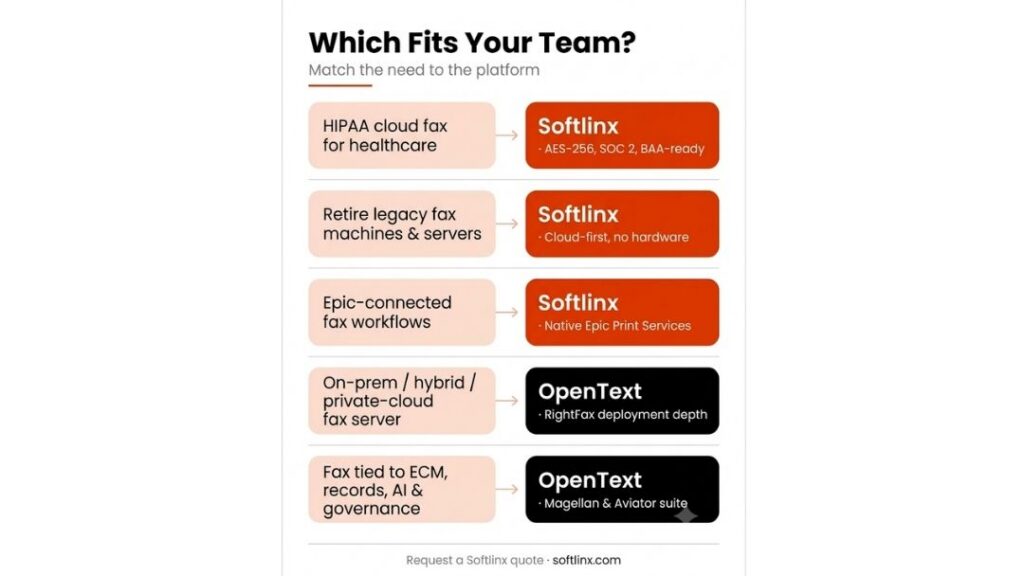
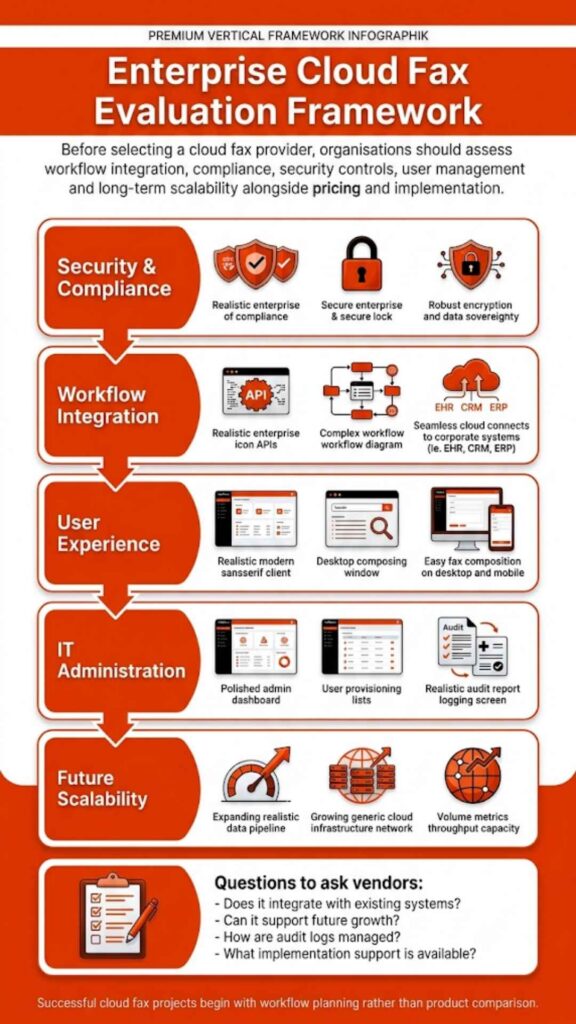
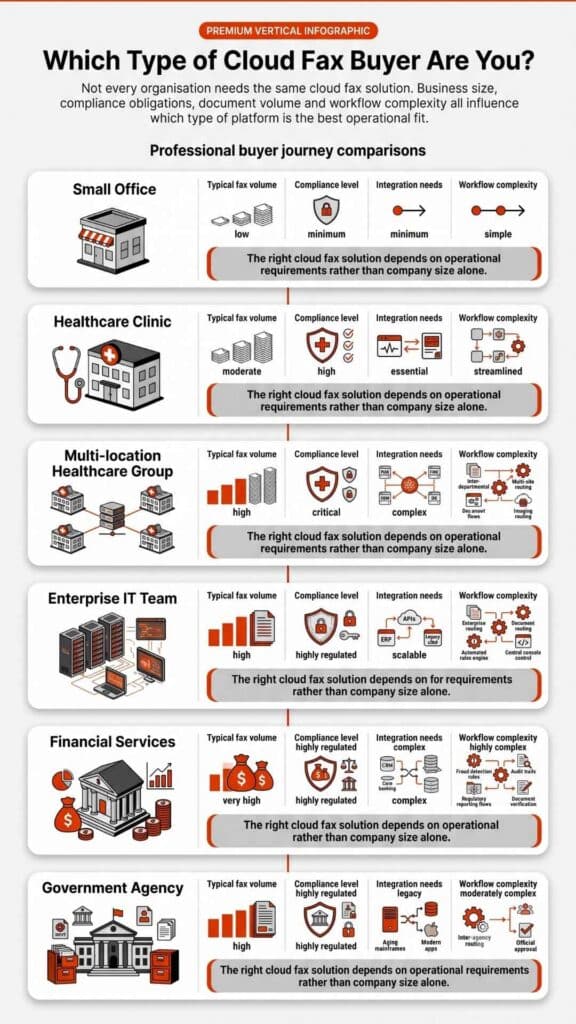
Choosing a solution isn’t just about features. It’s about how well that solution fits into existing operations. Security should be evaluated first. Systems need to protect sensitive documents at every stage, transmission, storage, and access.
Integration capability follows closely. A solution that connects with existing platforms reduces manual work and improves efficiency. Exploring modern cloud fax platforms can provide insight into what integration looks like today.
Scalability is another factor. As claim volumes grow, systems must handle increased demand without affecting performance. Reliability matters too. Consistent uptime ensures that workflows continue without interruption.
And then there’s usability. A system that’s difficult to use often leads to workarounds, which can introduce risks. The right solution doesn’t stand out because it’s flashy. It works because it fits.
FAQs
What is insurance claims faxing?
Insurance claims faxing is the process of sending claim-related documents between providers and insurers using fax technology, often through secure online systems.
Is faxing still used in the insurance industry?
Yes, insurance claims faxing remains widely used because it supports compliance, interoperability, and secure document exchange.
Is faxing insurance documents secure?
It can be secure when handled through encrypted systems with access controls and audit trails.
Can I send insurance claims without a fax machine?
Yes, modern systems allow you to send a fax through the internet without physical hardware.
Why do insurers prefer fax over email?
Faxing provides a more controlled and traceable method for handling sensitive documents.
How do cloud fax systems improve insurance workflows?
They reduce manual errors, improve tracking, and support high-volume document processing.
Can insurance claims faxing handle large volumes?
Yes, cloud-based systems are designed to manage high-volume faxing efficiently.
What happens if a fax is sent to the wrong number?
Misdirected faxes can lead to compliance risks, which is why verification and secure systems are critical.
Strengthening Your Claims Workflow with Smarter Faxing
Insurance claims faxing continues to support critical communication across the insurance ecosystem. What’s changed is how organizations approach it. Modern systems bring structure, visibility, and security into a process that once relied heavily on manual effort. That shift reduces risk while improving efficiency.
For organizations still relying on outdated setups, there’s an opportunity to move toward something more reliable and scalable. If improving document security, workflow efficiency, and compliance is a priority, exploring how Softlinx approaches secure cloud faxing can help you take the next step with confidence.