Concord alternatives have gained attention as organizations reassess how contract management and document workflows operate in real business environments. While Concord remains a recognizable name, many teams now look for tools with more flexible pricing, clearer audit trails, smoother user interface design, or deeper workflow support.
This article examines the top 6 Concord alternatives with a neutral lens, focusing on strengths, trade-offs, and realistic use cases rather than marketing claims.
Concord alternatives worth evaluating for contract workflows in 2026
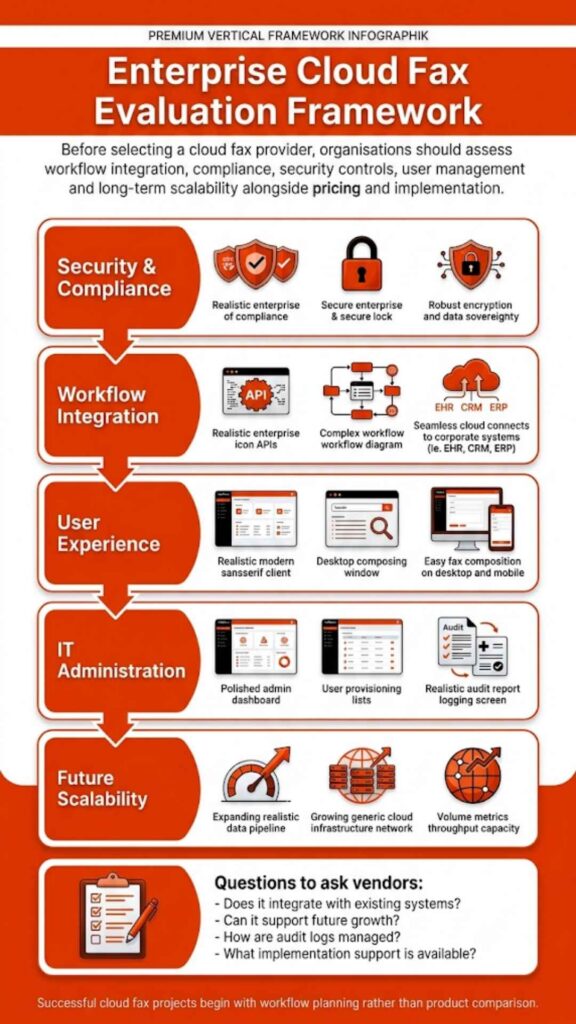
Concord alternatives exist because contract management needs have shifted. Teams no longer want a single repository with e-signatures. They expect full contract lifecycle management (CLM), visibility into approvals, reliable audit trails, and integrations that connect documents to real business systems such as Google Workspace or healthcare platforms. That context matters because not every Concord alternative solves the same problem.
Before comparing vendors, it helps to understand why companies move away from Concord in the first place. Common reasons include pricing rigidity as teams scale, limited customization in workflows, or the need for stronger compliance evidence in regulated environments. None of these issues is universal, but they explain why the market for Concord alternatives continues to grow.
How the leading Concord alternatives compare at a glance
The table below provides a high-level comparison of widely discussed Concord alternatives in 2026. It highlights where each option tends to fit best. Not every platform listed below is a dedicated CLM system. Some tools support contract workflows indirectly through secure document transmission, compliance tracking, or operational document management.
| Platform | Best suited for | Primary capability | Notable limitation |
| Softlinx – ReplixFax | Regulated organizations | Secure document transmission & compliance workflows | Not a pure CLM platform |
| DocuSign CLM | Large enterprises | End-to-end contract lifecycle management | Cost and setup complexity |
| PandaDoc | Sales-driven teams | Ease of use and document creation | Limited deep CLM controls |
| Conga CLM | Legal and procurement teams | Rule-based lifecycle automation | Steep learning curve |
| Ironclad | Legal departments | Contract analytics and risk review | Premium pricing |
| Oneflow | SMBs and mid-market | Simple lifecycle management | Fewer enterprise controls |
1. Softlinx ReplixFax (Secure document workflow platform for regulated environments)
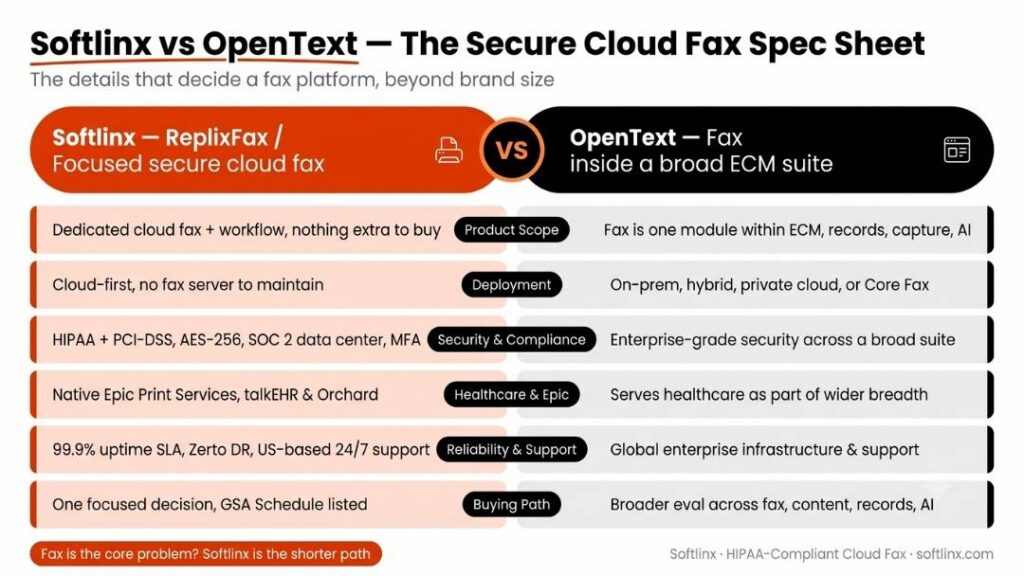
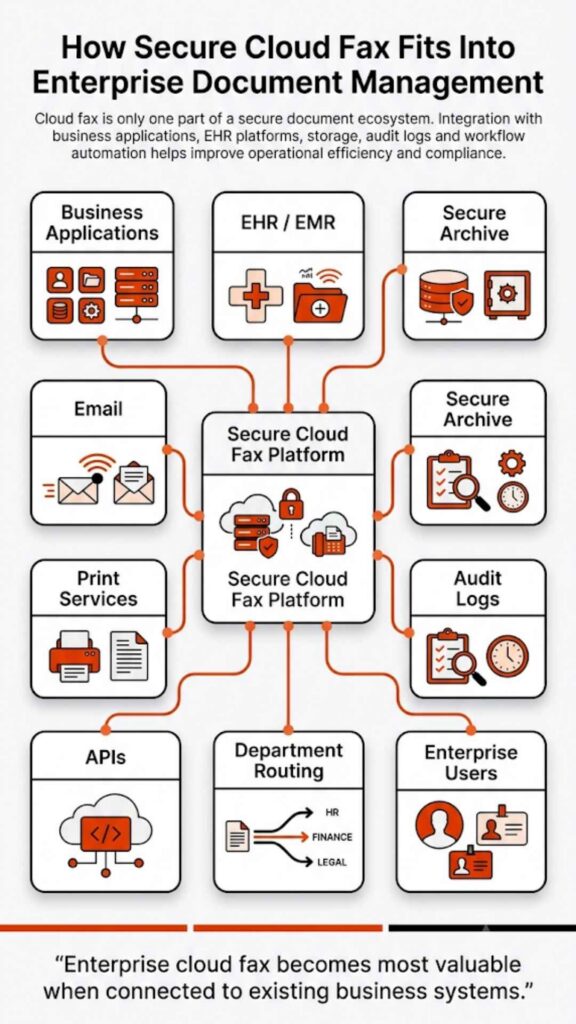
Softlinx ReplixFax focuses on secure document transmission, traceability, and compliance-oriented workflows in regulated environments. Some organizations evaluate it alongside Concord alternatives because contracts frequently move through broader document exchange systems, particularly in regulated industries.
Unlike CLM software that manages drafting, negotiation, and contract repositories, ReplixFax supports the secure delivery and tracking of documents across systems and departments.
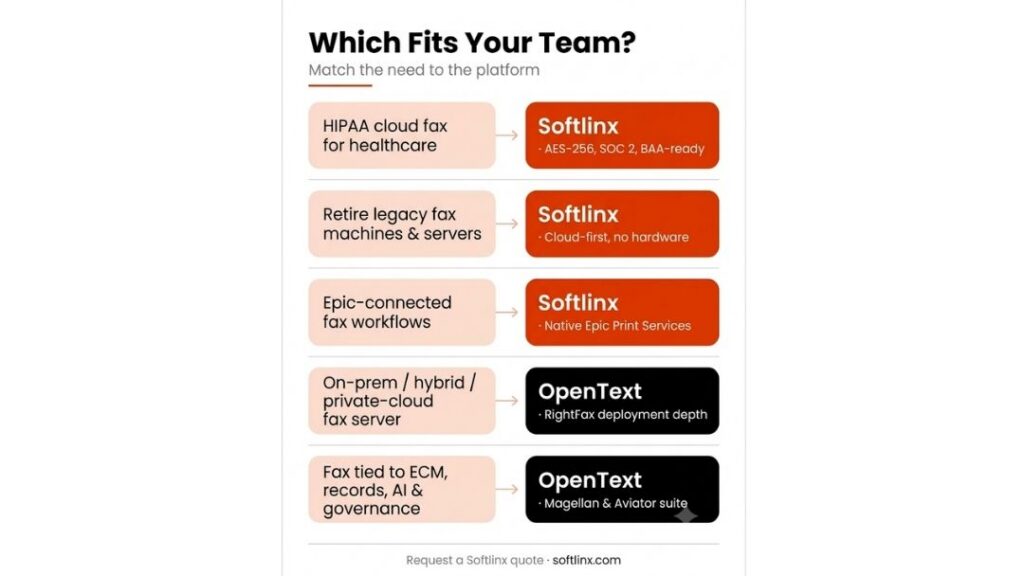
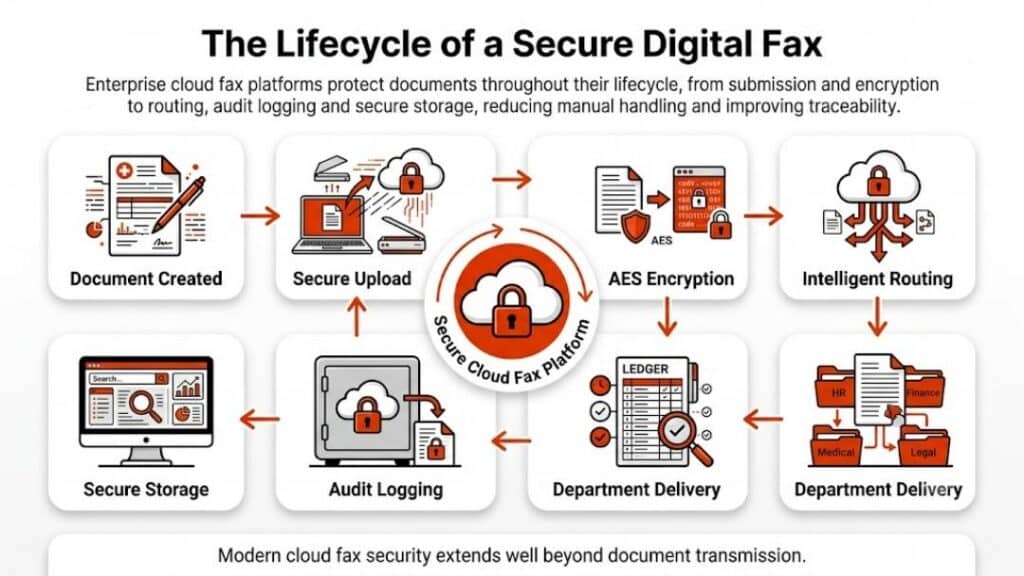
ReplixFax focuses on controlled document transmission, traceability, and reliability. In regulated industries such as healthcare, contracts often coexist with referrals, authorizations, and records exchanged via fax. In those cases, teams prioritize audit trails, uptime, and integration more than contract drafting features. That is where ReplixFax, along with Healthcare Fax Solutions, tends to fit.
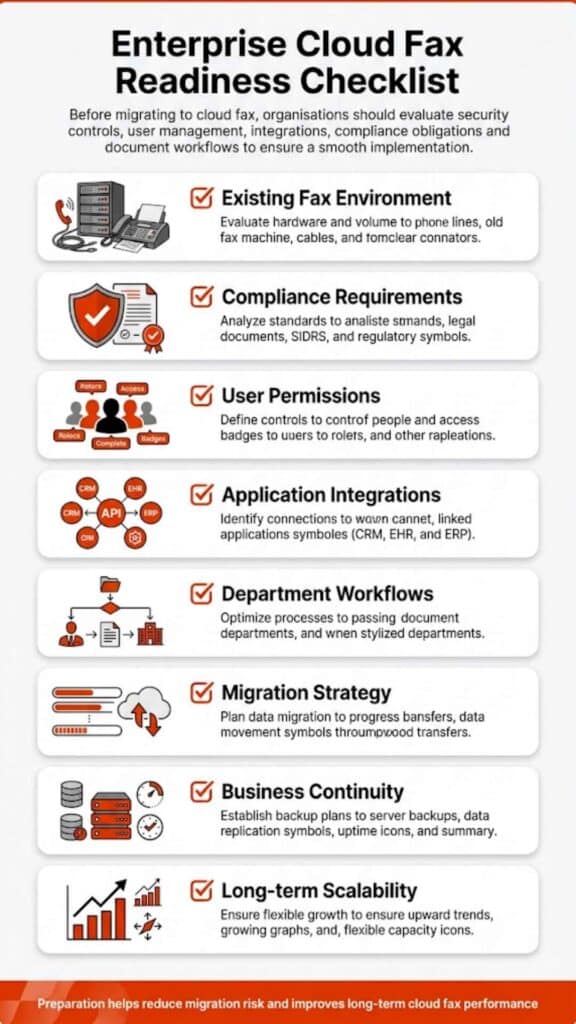
Organizations that already rely on a secure fax server environment often see value in extending those workflows through cloud-based document exchange, rather than introducing a separate CLM layer. For healthcare teams managing regulated communications, this overlap becomes practical when paired with HIPAA-aligned cloud fax workflows.
A closer look at modern cloud fax platforms shows why some businesses evaluate them alongside Concord alternatives, especially when contract approvals and document delivery intersect. Softlinx details these use cases within its broader cloud fax offerings, which focus on traceability and system integration rather than contract authoring alone.
ReplixFax complements contract workflows by ensuring reliable document delivery, audit trails, and compliance tracking when contracts move between systems, departments, or external partners. Its value appears when organizations need reliable document delivery, compliance tracking, and system integrations surrounding contracts rather than contract authoring itself.
Pros and cons
| Pros | Cons |
| Strong audit trails and delivery confirmation | Focused on document transmission rather than contract authoring |
| Reliable for high-volume, regulated workflows | Limited contract drafting features |
| Integrates with enterprise systems and healthcare environments | Best value appears in compliance-heavy use cases |
2. DocuSign CLM
DocuSign CLM is often the first name mentioned when teams compare Concord alternatives. It offers a comprehensive contract lifecycle management platform that covers drafting, negotiation, approval workflows, execution, and storage.
Its strength lies in scale. Enterprises with global operations benefit from its integrations with Google Workspace, CRM platforms, and identity systems. DocuSign CLM also supports detailed audit trails, which appeals to compliance teams.
That said, complexity remains a frequent concern. Smaller organizations sometimes find that the feature depth exceeds their operational and financial needs.
Pros and cons
| Pros | Cons |
| Comprehensive CLM functionality | Higher cost at scale |
| Strong integration ecosystem | Setup and training time |
| Recognized enterprise standard | Overkill for small teams |
3. PandaDoc

PandaDoc enters the Concord alternatives conversations from a different angle. It emphasizes usability and speed, particularly for sales-led organizations. Teams that generate proposals, agreements, and renewals in high volume often prefer PandaDoc’s streamlined user interface.
While it includes contract lifecycle elements, PandaDoc does not aim to replace legal-centric CLM systems. Its value shows when speed and clarity matter more than complex governance.
Pros and cons
| Pros | Cons |
| Intuitive user interface | Limited advanced CLM logic |
| Fast document creation and approvals | Less suitable for regulated industries |
| Lower barrier to adoption | Fewer customization controls |
4. Conga CLM
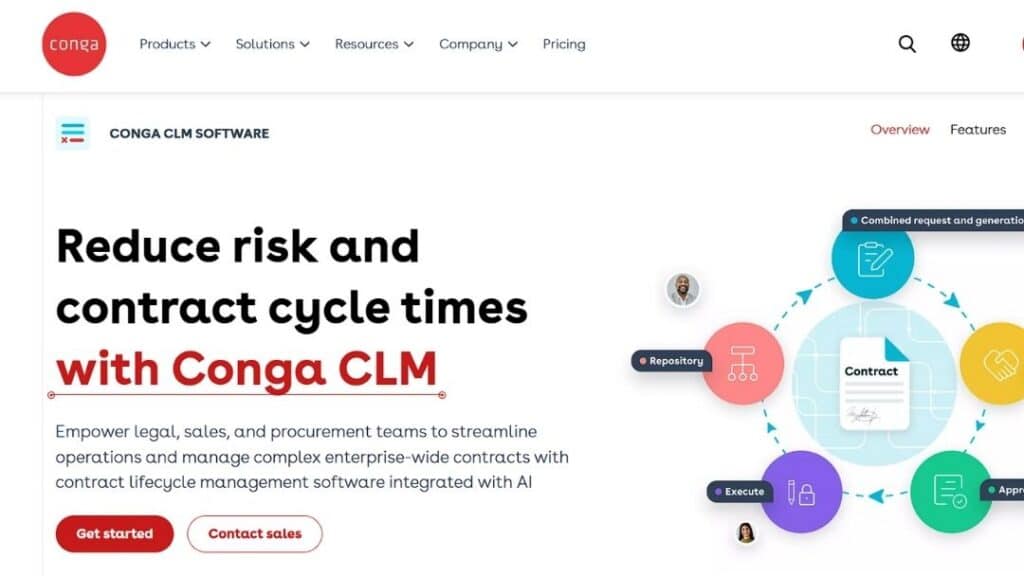
Conga CLM appeals to organizations with formal contract governance. Legal and procurement departments often favor it for its configurable workflows, approval hierarchies, and reporting depth.
As a Concord alternative, Conga CLM works best when contract lifecycle management forms a core operational discipline. However, its flexibility requires thoughtful implementation, which can slow initial adoption.
Pros and cons
| Pros | Cons |
| Deep lifecycle automation | Steeper learning curve |
| Strong audit trails and compliance support | Longer implementation cycle |
| Suitable for complex organizations | Requires process maturity |
5. Ironclad
Ironclad differentiates itself through contract analytics and legal insight. Rather than focusing solely on workflow, it helps teams understand risk, obligations, and clause usage across agreements.
For legal teams that treat contracts as data assets, Ironclad offers depth that many Concord alternatives lack. Pricing and specialization, however, make it less accessible to smaller organizations.
Pros and cons
| Pros | Cons |
| Advanced contract analysis | Premium pricing |
| Legal-focused design | Narrower audience |
| Strong governance tools | Less sales-oriented |
6. Oneflow
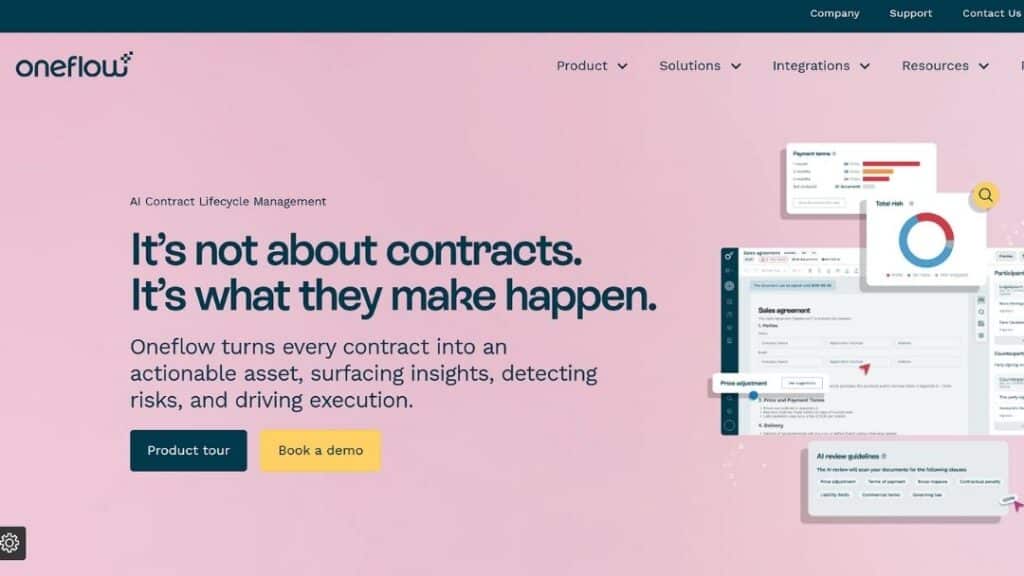
Oneflow often appeals to small and mid-sized businesses looking for clarity rather than complexity. It provides contract lifecycle basics with a clean interface and fewer configuration requirements.
As Concord alternatives go, Oneflow prioritizes ease of use over depth. That balance works for teams without heavy compliance or multi-layer approval structures.
Pros and cons
| Pros | Cons |
| Simple onboarding | Limited enterprise controls |
| Clean user interface | Fewer customization options |
| Suitable for SMB workflows | Not ideal for regulated sectors |
Where document workflows intersect with Concord alternatives
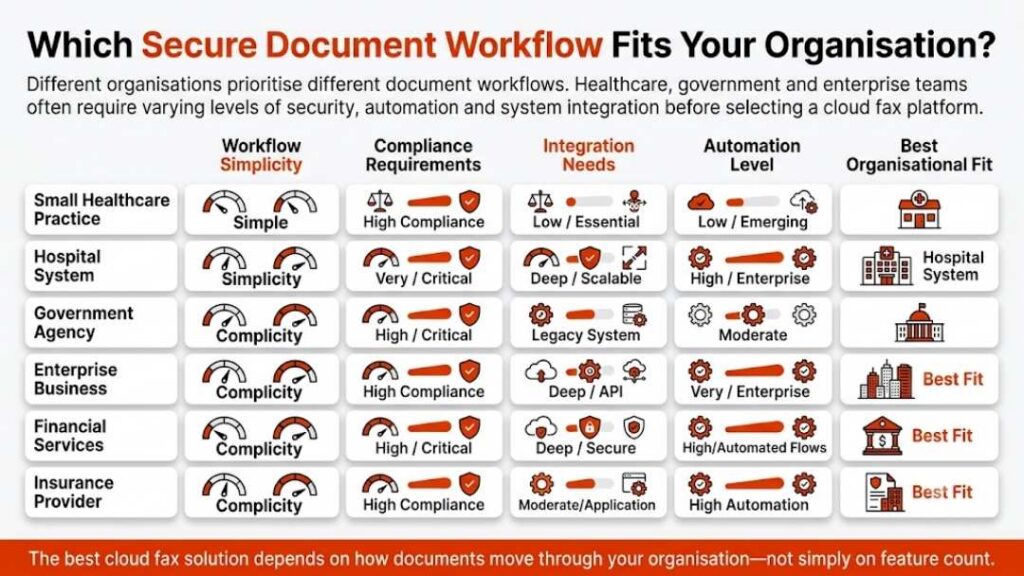
One pattern often overlooked in Concord alternatives content is how contracts interact with broader document exchange. In healthcare, finance, and insurance, contracts frequently move alongside referrals, records, and authorizations. That reality explains why some organizations evaluate CLM tools alongside secure document delivery platforms.
For example, teams managing regulated communications often rely on HIPAA-aligned fax workflows to ensure compliance and traceability. In those cases, understanding whether fax is HIPAA compliant remains a key consideration, especially when contracts contain protected information.
Modern platforms that support fax through the internet help bridge legacy workflows with cloud systems, reducing manual handling without abandoning compliance requirements. This overlap does not replace contract lifecycle management, but it influences how Concord alternatives fit into real operational environments.
In regulated industries such as healthcare, contract workflows often intersect with broader document exchange requirements. Organizations handling protected health information (PHI) frequently rely on Healthcare Cloud Fax Solutions to securely transmit contracts, authorizations, referrals, and other sensitive documents while maintaining compliance, auditability, and operational efficiency across connected systems.
Choosing among Concord alternatives without overthinking it
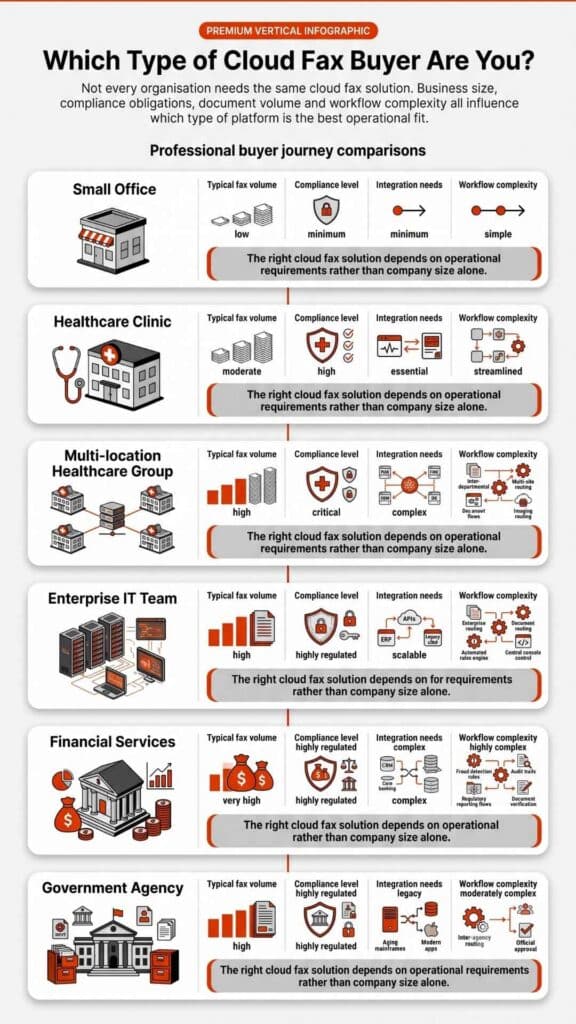
Choosing among Concord alternatives often feels harder than it should, mainly because many platforms promise similar outcomes while solving very different problems. The key is to step back and look at how contracts actually move through your organization. Some teams draft and sign agreements daily but rarely revisit them. Others manage renewals, compliance checks, and approvals across departments, vendors, and regulatory frameworks.
The first question to ask is whether contracts operate as legal records or operational assets. If agreements trigger downstream actions such as billing, authorizations, or compliance reporting, then workflow visibility and audit trails matter far more than document editing tools. In contrast, sales teams tend to value speed, template reuse, and a clean user interface over complex governance layers.
Another factor that often gets overlooked is integration reality. A platform that works well on its own but struggles to connect with systems like Google Workspace, ERP tools, or document delivery platforms will eventually create friction. This is where many Concord alternatives differ meaningfully, even when feature lists look similar on paper.
In short, the easiest way to narrow your options is to match the software to how contracts behave in real life, not how vendors describe them in demos.
Why Concord alternatives keep gaining ground
The steady rise of Concord alternatives reflects a broader shift in how organizations view contract management. Contracts no longer sit at the edge of operations. They influence compliance, revenue timing, vendor relationships, and audit readiness. As expectations expand, many teams discover that a single, static tool cannot keep pace with evolving workflows.
Another factor is operational diversity. Modern organizations rarely run a single process across all departments. Legal, procurement, finance, and operations each interact with contracts differently. Tools that lack flexibility or impose rigid workflows tend to create bottlenecks over time, prompting teams to explore alternatives that better reflect how work actually happens.
The table below outlines the core reasons why Concord alternatives continue to gain adoption, framed around practical business realities rather than feature marketing.
| Business shift | What changed | Why alternatives appeal |
| Workflow complexity | Contracts now move through multiple departments and systems | Alternatives offer configurable workflows that adapt to real processes |
| Compliance pressure | Audit requirements and documentation standards increased | Platforms with stronger audit trails and traceability reduce review risk |
| Integration expectations | Contracts must connect to productivity and record systems | Many alternatives integrate more smoothly with tools like Google Workspace |
| Pricing sensitivity | Teams’ scale usage is uneven across departments | Flexible pricing models allow selective adoption |
| User adoption | Employees resist tools that slow routine tasks | Cleaner user interface designs encourage consistent use |
| Risk management | Organizations seek clearer visibility into obligations | Some alternatives provide better lifecycle insight and accountability |
As these pressures converge, organizations gravitate toward tools that reflect operational reality rather than theoretical workflows. That momentum explains why Concord alternatives continue to attract attention across industries and company sizes, not because Concord fails outright, but because expectations keep rising.
A practical next step that holds up over time
Choosing from the growing list of Concord alternatives should not feel like a gamble. The strongest decisions usually come from understanding how contracts function beyond signatures. In many organizations, agreements trigger approvals, documentation exchanges, compliance checks, and long-term record retention. When those surrounding processes break down, even well-designed CLM software falls short.
That reality explains why some teams move beyond traditional contract tools and look for systems that support document reliability, traceability, and operational continuity. In regulated and high-volume environments, contracts often depend on secure delivery, verified transmission, and defensible audit records. Those requirements do not disappear once a contract is signed. They follow the document for its entire lifecycle.
If your organization is evaluating Concord alternatives with long-term reliability in mind, it may be time to look beyond feature comparisons and consider how your contracts live within everyday operations. Exploring how Softlinx supports secure, traceable document workflows can help you build a contract process that remains dependable as requirements evolve.