
Healthcare
Explore Softlinx’s secure faxing solutions tailored for the healthcare industry, ensuring compliance and efficient communication.

Using Cloud Fax to Improve Communication Between Pharmacies and Providers
Every day, pharmacies and healthcare providers exchange a high volume of critical information—prescriptions, prior authorizations, dosage changes, and clarification requests. These communications are essential for ensuring that patients receive the correct medications on time and that treatment plans are carried out as intended.
The stakes are high. Delays or errors in communication can affect medication adherence, interrupt treatment plans, and put patient safety at risk. Yet pharmacies and providers often work with different systems, protocols, and workflows, making consistent and timely communication more difficult than it should be.
Healthcare organizations need a reliable way to bridge the communication gap. Cloud fax technology offers a practical, secure solution that improves the speed, accuracy, and visibility of information exchange between pharmacies and providers.
Where Traditional Communication Falls Short
Despite growing digitization in healthcare, many organizations still rely on outdated and inefficient methods to share sensitive information.
Paper faxes are still widely used but are slow, difficult to track, and vulnerable to misdelivery or loss. Phone calls and voicemails can interrupt workflows and require back-and-forth coordination that wastes time. These interruptions often lead to unnecessary delays in prescription fulfillment.
Another significant challenge is the lack of interoperability between electronic health record systems. Providers and pharmacies may use entirely different platforms, making it difficult to share and retrieve the data needed to process prescriptions or verify prior authorizations. In some cases, documents are manually transcribed or faxed, increasing the risk of human error.
Unsecured communication channels, such as unencrypted email or printed forms, also raise compliance concerns. Healthcare organizations must ensure they meet strict regulatory standards such as HIPAA when transmitting patient information.
Cloud Fax: Closing the Gaps in Medication Management
Cloud fax offers a modern solution to many of these challenges. Unlike traditional faxing, cloud fax uses secure internet-based platforms to send and receive documents. These systems are designed to integrate with healthcare workflows while meeting all security and compliance requirements.
With cloud fax, prescriptions, prior authorizations, and clarifications can be exchanged quickly and securely between providers and pharmacies. There is no need to print, scan, or re-enter data manually. Cloud fax eliminates many of the manual steps that slow down traditional processes, helping pharmacies fulfill prescriptions faster and reducing wait times for patients.
How Pharmacies and Providers Benefit
Implementing cloud fax can significantly improve operational efficiency and clinical outcomes.
Pharmacies are able to fulfill prescriptions more quickly, which supports better adherence and reduces delays in treatment. For patients, this translates to improved health outcomes and a smoother experience.
Providers and pharmacists benefit from reduced administrative burdens. Cloud fax eliminates the need for repeated follow-ups, missed calls, and manual documentation. Communications are delivered and logged automatically, and audit trails ensure that both parties have proof of transmission and receipt.
Prior authorization requests and responses also become more manageable. With cloud fax, documents can be submitted, reviewed, and returned without delay, allowing patients to begin treatment sooner and with fewer interruptions.
Enhancing Compliance and Reducing Risk with Secure Document Exchange
In healthcare, every communication that involves patient information must meet strict regulatory standards. Traditional fax machines and unsecured email platforms fall short when it comes to ensuring HIPAA compliance, putting organizations at risk for fines, data breaches, and reputational damage.
The need for secure communication is more urgent than ever. According to IBM’s 2023 Cost of a Data Breach Report, the average healthcare data breach cost reached $10.93 million, making it the most expensive industry for data breaches for the 13th year in a row.
By implementing a secure cloud fax solution, organizations not only protect their patients’ data—they also protect themselves from regulatory risk and the operational disruptions that can result from compliance violations.
Reducing Operational Bottlenecks Across the Medication Lifecycle
Communication between providers and pharmacies doesn’t just affect patient care—it also impacts daily workflows, staffing, and overall operational efficiency. Manual processes, delays in responses, and redundant administrative tasks can create costly bottlenecks that limit how quickly medications are approved and dispensed.
Healthcare Fax Services help streamline these workflows by reducing friction at every step of the medication lifecycle. By replacing phone calls, manual paperwork, and disconnected systems with secure, real-time communication, organizations gain the efficiency they need to serve more patients in less time.
Key ways cloud fax reduces operational strain include:
- Eliminating time spent tracking down paper faxes or voicemails
- Reducing repeated follow-ups between providers and pharmacies
- Automating the confirmation and routing of incoming documents
- Supporting faster prior authorization cycles
- Minimizing errors from manual data re-entry
- Enabling better workload distribution through centralized document access
By removing these bottlenecks, cloud fax allows pharmacy teams and care providers to focus less on logistics and more on delivering high-quality care.
Supporting Patient Safety and Medication Adherence
Efficient communication plays a direct role in maintaining patient safety. When a pharmacist receives timely clarification from a provider, they are better equipped to avoid potential issues such as drug interactions, incorrect dosages, or contraindicated medications.
Healthcare Cloud Fax Solutions help reduce these risks by enabling faster, more accurate information exchange at key moments in the care process. They support safer medication management in several ways:
- Prevents harmful drug interactions by facilitating quick clarification of prescriptions
- Reduces the risk of incorrect dosages or duplicated therapies
- Ensures specialty medication instructions are delivered clearly and without delay
- Avoids treatment gaps caused by missing or misrouted paperwork
- Supports secure transmission of medication changes or updates between care teams
For patients with chronic conditions or those prescribed specialty medications, delays in receiving medication can have serious consequences. Cloud fax ensures that all stakeholders have the information they need when they need it, improving coordination and reducing the risk of missed prescriptions or treatment gaps.
Looking Toward a Connected Future
Cloud fax is not only a solution for today’s communication challenges; it is a foundational tool for the future of healthcare.
As more providers and pharmacies join integrated networks and adopt value-based care models, the need for secure, real-time communication will only grow. Cloud fax supports this transition by acting as a bridge between organizations, regardless of their existing infrastructure.
Emerging capabilities such as automated document routing and AI-assisted verification are making cloud fax even more efficient. Healthcare organizations can streamline processes, reduce manual errors, and ensure that sensitive documents are sent to the right recipient every time.
Cloud fax also plays a role in broader patient-centered communication strategies. By ensuring that communication flows quickly and securely between all parties involved in a patient’s care, cloud fax helps build a more coordinated, responsive, and effective healthcare ecosystem.
Next Steps: How to Get Started with Softlinx
For pharmacies and healthcare providers looking to modernize their communication workflows, Softlinx offers a powerful and easy-to-implement cloud fax solution. The onboarding process is straightforward, with dedicated support teams guiding you through setup, training, and system integration. Whether you’re a small independent pharmacy or part of a large healthcare system, Softlinx ensures that your organization can begin realizing the benefits of cloud fax without disrupting your current operations. Contact us to learn more, or request a free quote now.
- March 22, 2025

Cloud Fax Solutions for Enhancing Outpatient Care Services
Outpatient care is an essential pillar of modern healthcare delivery, offering everything from diagnostic tests and minor procedures to physical therapy and routine check-ups. However, many outpatient facilities continue to face significant communication challenges due to outdated, manual, and non-integrated systems. These barriers slow down patient care, increase administrative burden, and elevate the risk of errors.
In environments where speed, accuracy, and security are paramount, cloud fax technology offers a modern, HIPAA-compliant solution for exchanging critical patient information. As outpatient care models continue to evolve, cloud fax is proving to be a vital tool for improving communication, coordination, and care outcomes.
Defining Outpatient Care
Outpatient care includes medical services that do not require an overnight stay in a hospital. It is delivered in settings such as clinics, outpatient departments, ambulatory surgery centers, and diagnostic imaging centers. Common examples include:
- Routine physical exams and wellness visits
- Diagnostic tests such as X-rays, MRIs, and blood work
- Minor surgical procedures
- Rehabilitation and physical therapy
- Preventive screenings
The growth of outpatient care is reshaping the healthcare industry. According to the Centers for Medicare & Medicaid Services (CMS), spending on physician and clinical services—which encompasses a significant portion of outpatient care—increased by 7.4% to $978.0 billion in 2023, accounting for 20% of total national health expenditures.
Outpatient environments require high-volume, high-velocity communication between providers, labs, specialists, and insurance companies. These workflows depend on accurate, secure, and timely document exchange—something many legacy systems struggle to deliver.
Current Communication Barriers in Outpatient Care
Despite its increasing importance, outpatient care often relies on outdated communication infrastructure, which poses serious challenges:
- Legacy fax systems still dominate, requiring paper-based workflows and frequent manual intervention
- Delays and miscommunication can result from lost paperwork, slow fax transmissions, or lack of delivery confirmation
- Compliance risks arise when sensitive patient data is sent through unsecured channels or improperly stored
- Staff overload is common as administrative teams must track, scan, file, and follow up on documents across fragmented systems
These inefficiencies not only burden providers and administrators but also negatively impact patient care and satisfaction.
Enhancing Patient Care with Cloud Fax Solutions
Cloud fax offers a secure, digital method of sending and receiving documents via encrypted internet channels—without the need for physical fax machines. It addresses the shortcomings of traditional faxing while preserving interoperability with external organizations that still rely on fax as a standard communication method.
For outpatient clinics and care centers, the benefits are substantial:
- Faster referrals and specialist coordination help patients get timely access to the care they need
- Quick sharing of lab results and treatment plans ensures that care teams are aligned and responsive
- Reduced waiting times and fewer follow-up calls boost patient satisfaction and trust in their care providers
- Improved continuity of care across departments, especially when managing chronic or multi-disciplinary cases
By streamlining these key touchpoints, cloud fax contributes directly to better clinical outcomes and a more efficient care experience.
Key Features of Softlinx Cloud Fax for Outpatient Services
Softlinx provides enterprise-grade healthcare cloud fax solutions specifically designed for the demands of outpatient care providers. Key features include:
- End-to-end encryption and advanced security protocols to safeguard protected health information (PHI)
- Scalable architecture that grows with your practice, whether you’re a single-location clinic or a multi-site outpatient network
- API and direct EHR integrations to eliminate manual steps and enable document exchange from within existing platforms
- Centralized fax management with searchable archives, user access controls, and automatic audit logging
- Real-time notifications for incoming and outgoing transmissions, reducing the risk of missed documents
These tools allow outpatient providers to modernize workflows without disrupting existing operations or requiring costly new infrastructure.
Driving Cost Savings and Operational Efficiency in Outpatient Settings
Beyond improving patient care, cloud fax plays a pivotal role in reducing costs and streamlining operations for outpatient clinics. Many facilities still rely on legacy fax hardware, dedicated phone lines, and labor-intensive workflows to manage document exchange—leading to unnecessary overhead and resource waste.
Cloud fax replaces these outdated systems with a centralized digital platform, and modern Healthcare Fax Solutions help organizations lower infrastructure costs while improving overall productivity. With fewer manual steps and reduced reliance on physical documents, staff can focus more time on clinical care and less on administrative tasks.
Key ways cloud fax helps outpatient clinics reduce costs and improve efficiency:
- Eliminates the need for on-site fax machines, toner, and paper
- Reduces IT maintenance by eliminating analog fax servers and lines
- Lowers risk of human error and duplicate data entry
- Streamlines communication workflows, reducing follow-up calls and faxes
- Improves turnaround time for referrals, authorizations, and test results
Future Trends: The Evolving Role of Cloud Fax in Outpatient Care
As digital transformation accelerates across healthcare, cloud fax is evolving into a more intelligent, integrated part of the care continuum. Outpatient providers are increasingly embracing:
- Paperless workflows that eliminate printing, scanning, and filing
- Telehealth integration, enabling faster document sharing for remote consultations
- AI-powered document routing and smart indexing, reducing manual workload and improving accuracy
- Predictive analytics, allowing clinics to proactively manage patient care and documentation workflows
- Greater interoperability across outpatient services, payers, and health systems
Cloud fax is no longer just a secure transmission tool—it’s becoming a strategic asset in the shift toward more coordinated, data-driven outpatient care.
Conclusion
Efficient and secure communication is essential for delivering high-quality outpatient care. Cloud fax addresses long-standing pain points by providing fast, secure, and integrated document exchange, which enhances patient outcomes, reduces administrative strain, and improves provider collaboration.
Outpatient facilities that invest in modern communication infrastructure are better positioned to deliver timely, accurate, and patient-centered care—and Softlinx is here to help make that transformation simple.
Getting Started with Softlinx Cloud Fax Solutions
Softlinx makes it easy for outpatient clinics and care centers to modernize their fax workflows with a simple, guided implementation process. Our team offers:
- Dedicated onboarding and system integration support
- Comprehensive training resources for clinical and administrative staff
- Scalable pricing plans designed for outpatient environments
- Ongoing customer service and product updates to meet evolving needs
Contact Softlinx today to request a quote, and discover how cloud fax can transform your outpatient care communications.
- March 3, 2025

Cloud Fax for Better Coordination in Integrated Delivery Networks (IDNs)
Effective communication and data sharing remain significant challenges in the healthcare industry. With multiple entities involved in patient care, ensuring seamless coordination is crucial. Integrated Delivery Networks (IDNs) play a key role in streamlining healthcare services by integrating hospitals, clinics, and other providers into a unified system. However, these networks often struggle with interoperability and secure document exchange. Healthcare Fax Solutions offer a reliable and compliant way to enhance coordination, reduce inefficiencies, and improve patient outcomes.
What Are Integrated Delivery Networks (IDNs)?
Defining IDNs
IDNs are healthcare systems that integrate hospitals, outpatient clinics, physicians, and other healthcare facilities to deliver coordinated care. Their primary goals include:
- Improving patient outcomes
- Reducing operational costs
- Enhancing collaboration among providers.
- Standardized care delivery
- Expanding access to care
- Strengthening compliance and security
By centralizing resources and optimizing workflows, IDNs help ensure a more efficient and value-driven healthcare model.
Challenges Faced by IDNs
Managing Communication Between Diverse Entities
IDNs encompass a variety of healthcare organizations that operate under different administrative and technological frameworks. Coordinating real-time information exchange between hospitals, primary care providers, specialists, and support staff can be complex and inefficient. Delays or miscommunication in patient referrals, treatment plans, and lab results can negatively impact care quality and decision-making. Implementing reliable communication tools such as Healthcare Cloud Fax Solutions can help IDNs securely exchange critical information while maintaining compliance and improving workflow efficiency. Without a centralized and standardized communication system, IDNs struggle to maintain accurate, up-to-date patient records across all facilities.
Security and Compliance Concerns
Protecting patient health information (PHI) is a top priority for IDNs, as they must comply with HIPAA, HITECH, and other regulatory requirements. Many traditional communication methods, such as email and physical faxing, lack the necessary encryption and security controls, increasing the risk of data breaches, unauthorized access, and compliance violations.
Need for Efficient Document Exchange
The healthcare industry still relies on paper-based faxing, which can lead to lost documents, processing delays, and inefficiencies. IDNs handle an immense volume of paperwork daily, including patient records, insurance claims, prescriptions, and diagnostic reports. When documents are misplaced or not transmitted in a timely manner, it can result in delayed treatments, billing issues, and administrative burdens.
Integration of Disparate Systems
IDNs frequently work with multiple electronic health record systems, practice management software, and third-party applications—many of which lack interoperability. The inability to integrate different platforms creates data silos, making it difficult for providers to access complete and accurate patient records across locations. This fragmentation can lead to duplicate tests, misdiagnoses, and inefficient care coordination.
The Role of Cloud Fax in IDNs
Enhanced Communication Across Networks
Cloud fax simplifies document exchange by providing a centralized, secure, and efficient way to transmit patient records. It enables seamless sharing of:
- Referrals
- Lab results
- Discharge summaries
- Medical imaging reports
- Prescriptions and medication orders
Real-Time Document Tracking and Reporting
Cloud fax solutions provide real-time notifications when documents are sent, received, or accessed. These tracking capabilities help healthcare organizations maintain accountability, streamline compliance audits, and analyze operational efficiencies.
Development of Value-Based Care
As healthcare shifts toward value-based care models, IDNs must focus on enhancing efficiency, reducing costs, and improving patient outcomes. Cloud fax plays a crucial role in supporting these initiatives by ensuring secure, timely, and accurate document exchange between providers, payers, and care teams.
Reduced Delays in Patient Care
Timely access to patient records, referrals, and test results is critical. Cloud fax enables instant transmission of essential documents, reducing delays in diagnosis, treatment, and care coordination.
Minimized Administrative Burden to Focus on Patient Care
By automating document handling, routing, and tracking, cloud fax eliminates time-consuming manual tasks. This allows healthcare staff to spend more time on patient interactions rather than dealing with paperwork, ultimately leading to better patient engagement and improved care quality.
Facilitating Multi-Location Coordination
With IDNs spanning multiple locations, cloud fax ensures seamless document exchange between geographically dispersed facilities. This improves care continuity, minimizes administrative delays, and enhances collaboration between departments.
Cloud Fax for Improving Care Transitions in IDNs
Smooth transitions between healthcare settings—such as from hospital to home care, primary care to specialists, or inpatient to outpatient services—are crucial for ensuring continuity of care and reducing hospital readmissions. IDNs must coordinate patient handoffs efficiently to prevent miscommunication, incomplete documentation, and delays in treatment.
Ensuring Timely Transfer of Patient Records
During care transitions, providers must quickly exchange discharge summaries, medication lists, treatment plans, and follow-up instructions. Cloud fax enables instant, secure transmission of these records.
Reducing Readmissions Through Better Coordination
One of the main causes of hospital readmissions is a lack of communication between providers and post-discharge care teams. Cloud fax facilitates seamless information exchange between hospitals, nursing homes, rehabilitation centers, home health agencies, and primary care providers, reducing gaps in follow-up care and improving patient outcomes.
Conclusion
As IDNs continue to expand and evolve, efficient communication solutions become increasingly vital. Cloud fax provides a secure, cost-effective, and scalable method to enhance coordination and streamline document exchange within healthcare networks. By reducing administrative burdens, improving compliance, and ensuring seamless information flow, cloud fax helps healthcare providers focus on delivering high-quality patient care rather than managing paperwork.
How Softlinx Can Help Your IDN
Softlinx provides cloud fax solutions specifically designed for healthcare organizations and IDNs. With advanced security, seamless integration, and reliable performance, Softlinx helps healthcare providers optimize document exchange, maintain compliance, and improve overall coordination.
Request a quote today or reach out to us to learn how we can help you make the shift to cloud fax.
- February 19, 2025

The Impact of Cloud Fax on Reducing Healthcare Fraud
Healthcare fraud is a pervasive issue that costs the industry billions of dollars annually. In 2024 alone, federal actions under the False Claims Act (FCA) resulted in $1.67 billion in settlements and judgments from managed care providers, hospitals, pharmaceutical companies, and other healthcare entities.
Fraudulent activities not only inflate healthcare costs but also compromise patient care and undermine trust in the system. With the increasing reliance on digital solutions, technology has become a key player in combating fraud. One such technological advancement is cloud fax, a secure and efficient method for transmitting healthcare documents. This article from Softlinx explores how cloud fax can mitigate healthcare fraud and enhance security across the industry.
Understanding Healthcare Fraud
What is Healthcare Fraud?
Healthcare fraud refers to the deliberate deception or misrepresentation made by individuals or organizations within the healthcare system to secure unlawful financial gain. This can involve fraudulent billing practices, identity theft, false claims, kickbacks, and other schemes. Fraud not only results in financial losses but also negatively impacts patient care and trust in the healthcare system. Secure Healthcare Cloud Fax Solutions help reduce the risk of unauthorized access to sensitive information by providing encrypted, traceable document transmission and storage.
Common Types of Healthcare Fraud
Healthcare fraud takes many forms, including:
- Billing for services not provided: Fraudulent providers submit claims for procedures or tests that were never performed.
- Upcoding or unbundling services: Providers manipulate billing codes to receive higher reimbursements than warranted.
- Identity theft and misuse of patient information: Criminals steal patient identities to file fraudulent claims or obtain unauthorized treatments.
- False or duplicate claims: Submitting multiple claims for the same service to receive excessive payouts.
- Kickback schemes: Unethical financial agreements between healthcare providers and suppliers to profit from unnecessary referrals or services.
The Cost of Healthcare Fraud
Healthcare fraud imposes a significant financial burden on healthcare systems, insurance providers, and patients alike. For example, a 2024 nationwide enforcement action charged 193 defendants, including 76 medical professionals, for their alleged participation in various health care fraud schemes involving approximately $2.75 billion in intended losses.
Additionally, fraud negatively impacts patients by leading to higher healthcare costs, denied coverage, and compromised treatment plans. According to the National Health Care Anti-Fraud Association (NHCAA), healthcare fraud costs the U.S. an estimated $68 billion annually, representing approximately 3% of total healthcare spending. These financial and systemic consequences underscore the urgent need for secure technologies like cloud fax to prevent fraudulent activities and protect both healthcare providers and patients.
The Role of Cloud Fax in Combating Healthcare Fraud
Enhanced Security Features
Healthcare Fax Services offer superior security measures to protect sensitive healthcare data:
- End-to-end encryption ensures that patient records and medical documentation remain confidential.
- Secure transmission reduces the risk of data interception, unauthorized access, or tampering.
Audit Trails and Document Tracking
Cloud fax solutions provide robust tracking capabilities to enhance accountability in healthcare document management. Detailed audit trails are essential for meeting compliance standards, as they record every document transaction, indicating when and by whom files were sent, received, or accessed. This comprehensive logging facilitates improved fraud detection through real-time monitoring and alerts for suspicious activity.
Preventing Identity Theft
Cloud fax minimizes the risk of patient identity theft through:
- Secure authentication methods that restrict access to authorized personnel only.
- Encrypted storage to prevent unauthorized retrieval of sensitive patient records.
Secure Access Controls
Role-based access control (RBAC) in cloud fax ensures that only designated healthcare personnel can send or view confidential documents, significantly reducing the risk of unauthorized access. By implementing granular permissions, organizations can minimize the likelihood of internal fraud, safeguarding sensitive patient data and maintaining compliance with industry regulations.
Fraud Prevention Through Data Validation
Cloud fax enhances security by verifying the integrity of transmitted documents. Automated validation processes detect any tampering, ensuring that records remain accurate and trustworthy.
Additionally, the system flags suspicious submissions, allowing organizations to identify and prevent fraudulent claims before they are processed, especially in workflows involving insurance claims faxing, where secure and verifiable document transmission is critical.
Centralized Data Management for Better Oversight
A unified platform for document transmission enhances fraud detection:
- Centralized data storage simplifies auditing and fraud investigations.
- Consolidated reporting provides a clearer picture of irregular document activities.
Cost Savings Through Fraud Prevention with Cloud Fax
Reducing Financial Losses from Fraudulent Claims
Cloud fax reduces the likelihood of fraudulent claims, leading to:
- Minimized revenue losses due to better verification processes.
- Fewer legal disputes related to fraudulent claims and compliance violations.
- Enhanced compliance with regulatory standards, such as
Lowering Administrative Overhead
Efficient document management through cloud fax leads to significant operational savings by reducing the need for manual fraud detection efforts. Automated tracking and verification streamline workflows, freeing up staff to focus on more critical healthcare tasks. By minimizing administrative burdens, organizations can improve efficiency while maintaining high security and compliance standards.
Preventing Regulatory Fines and Penalties
Compliance with fraud prevention regulations is essential for healthcare organizations to avoid costly fines and legal repercussions. Cloud fax ensures adherence to HIPAA and other industry standards, reducing the risk of regulatory violations. Proactive fraud detection measures also help organizations stay ahead of evolving compliance requirements, safeguarding both financial and reputational integrity.
FAQs
How does cloud fax compare to traditional fax in terms of fraud prevention?
Unlike traditional fax, cloud fax offers encryption, audit trails, and secure authentication, making it significantly more effective in preventing fraud.
Can cloud fax detect fraudulent documents automatically?
While cloud fax cannot directly detect fraud, it provides tracking, validation, and security features that help identify suspicious activities.
Is cloud fax cost-effective for small healthcare providers?
Yes, cloud fax reduces administrative costs, enhances security, and helps prevent fraud, making it a valuable investment even for small practices.
How does cloud fax help prevent internal fraud within healthcare organizations?
Role-based access controls and audit logs ensure that only authorized personnel handle sensitive documents, reducing internal fraud risks.
Can cloud fax identify unusual patterns that might indicate fraud?
While cloud fax itself does not analyze patterns, its tracking and reporting features allow organizations to detect inconsistencies and irregular document activity.
Conclusion
Reducing healthcare fraud is essential to maintaining the integrity of the industry. Cloud fax provides a secure, efficient solution that enhances document security, enables fraud detection, and reduces financial losses. By implementing cloud fax, healthcare providers can ensure compliance, improve workflows, and safeguard patient information.
Contact Softlinx for Cloud Fax Solutions
To enhance your fraud prevention strategy, reach out to Softlinx today and discover the benefits of cloud fax for your organization. Our secure, compliant, and efficient cloud fax solutions help healthcare providers reduce fraud, streamline document management, and ensure regulatory compliance. Contact us to learn more, or request a quote today!
- February 7, 2025

Enhancing Patient Discharge Processes with Cloud Fax Solutions
Efficient patient discharge processes are crucial for healthcare providers that want to deliver high-quality, value-based care. Unfortunately, traditional methods often fall short, plagued by delays, miscommunications, and compliance risks. Enter cloud fax solutions—a transformative technology that addresses these challenges and enhances discharge workflows. In this article from Softlinx, we’ll explore the challenges of patient discharge, how cloud faxing can revolutionize the process, and why it’s a strategic tool for modern healthcare organizations.
Overview of Patient Discharge Challenges in Healthcare
Patient discharge is a multi-step process that requires coordination among healthcare providers, patients, and external care teams. The inefficiencies of traditional discharge methods, like time-consuming paperwork and communication gaps, often lead to delays and frustration for both staff and patients. Moreover, compliance with regulations such as HIPAA can be difficult to maintain with manual processes, increasing the risk of penalties.
What Is the Patient Discharge Process?
Patient discharge refers to the process of transitioning a patient from hospital care to their home or another care setting. This involves:
- Providing patients with clear instructions for follow-up care
- Ensuring the accurate transmission of medical records, prescriptions, and referrals
- Facilitating a smooth and safe recovery
Key Steps in the Discharge Process
- Assessment and Planning
- Care teams evaluate the patient’s readiness for discharge.
- A detailed plan for post-hospital care is developed to ensure continuity of care.
- Documentation Preparation
- Healthcare providers prepare essential documents such as discharge summaries, medication prescriptions, and referrals.
- Coordination with Care Providers
- Effective communication with follow-up providers (e.g., primary care physicians, specialists, or home health services) is critical for seamless transitions.
- Patient Education
- Patients and their families are educated on discharge instructions, medication schedules, and follow-up appointments.
- Final Review and Handoff
- The care team verifies that all required documentation has been sent and confirms the patient’s readiness to leave the facility.
The Challenges of Traditional Discharge Processes
Time-Consuming Paperwork
Manual, paper-based systems create bottlenecks in discharge workflows. Staff often spend hours on paperwork, delaying patient transitions and increasing frustration. In fact, according to the Medscape Physician Compensation Report 2023, physicians spend an average of 15.5 hours per week on paperwork and administrative tasks.
Communication Gaps Between Departments
Coordination with pharmacies, follow-up care providers, and insurers can be difficult. This can lead to miscommunications and incomplete or delayed discharges, and these gaps risk compromising patient care. Implementing Healthcare Fax Solutions can help streamline the secure exchange of discharge documentation and care instructions between providers, reducing communication breakdowns.
Furthermore, delays in transmitting critical information may lead to medication errors or missed follow-up appointments, jeopardizing patient safety and outcomes. Addressing these communication barriers is vital for ensuring seamless transitions and maintaining trust between patients and care teams.
Compliance Risks with Manual Processes
Manual systems make it harder to maintain accurate records for compliance audits. They also increase the likelihood of HIPAA violations due to mishandling of sensitive patient information.
Benefits of Cloud Fax Solutions for Patient Discharge
Streamlined Documentation Transmission
Healthcare Cloud Fax Services enable fast and secure sharing of discharge summaries, medication prescriptions, and referrals. This helps reduce delays and ensures that critical information reaches the right recipients promptly.
Improved Coordination with Care Teams
With real-time communication capabilities, cloud fax solutions allow care teams to:
- Coordinate effectively with follow-up providers
- Facilitate faster scheduling of post-discharge appointments or treatments
- Share critical patient updates instantly to avoid delays in care
- Reduce communication errors between departments and external providers
- Ensure seamless transitions for patients with complex care needs
Automating Insurance and Billing Communication
Cloud faxing automates the submission of claims and documentation to insurers. This reduces errors and accelerates payment cycles, improving financial workflows for healthcare providers.
Centralized Access to Discharge Records
Discharge documents are securely stored in a centralized, digital repository. This ensures instant retrieval for future reference, reducing the need for physical file storage. By consolidating patient records in one secure location, healthcare providers can improve data accessibility and reduce the risk of lost or misplaced documents. This centralized system also enables multiple departments to access necessary discharge information simultaneously, enhancing collaboration and efficiency.
The Strategic Role of Cloud Faxing in Enhancing Discharge Efficiency
Supporting Value-Based Care Models
Timely discharges are essential for achieving better patient outcomes and reducing readmission rates. Cloud faxing aligns with patient-centered care goals by streamlining workflows and improving efficiency.
Leveraging Data Analytics for Process Optimization
Many cloud fax platforms offer analytics features that:
- Identify bottlenecks in discharge workflows
- Provide actionable insights to reduce staff workload and improve overall efficiency
- Monitor document transmission times to identify delays and optimize response rates
- Track trends in discharge-related errors to address recurring issues
- Support performance benchmarking across departments to enhance accountability
- Generate reports to assist in regulatory compliance and audit preparation
Scaling with Growing Patient Volumes
Cloud fax solutions are scalable, making them ideal for larger healthcare facilities managing high volumes of discharge paperwork. They enable efficient workflows across multiple departments and locations.
Adapting to Telehealth and Remote Care Models
With the rise of telehealth, cloud faxing supports virtual patient discharges by providing digital discharge documents. This ensures that remote patients receive the same quality of care as in-person patients.
Sustainability and Paper Reduction in Discharge Workflows
By reducing paper usage, cloud faxing supports eco-friendly healthcare practices. It minimizes waste and contributes to a more sustainable approach to patient care.
Additionally, transitioning to digital workflows helps healthcare facilities lower operational costs associated with printing, storage, and disposal of paper records. This shift aligns with global efforts to reduce carbon footprints, as fewer resources are required for paper production and transportation. By embracing these sustainable practices, healthcare providers can lead by example in promoting environmental responsibility.
In Conclusion
Cloud fax solutions offer healthcare organizations a powerful tool to overcome the challenges of traditional patient discharge processes. From streamlining documentation to improving communication and compliance, this technology enhances efficiency while supporting value-based care goals.
Contact Softlinx for a Consultation
Softlinx provides cloud fax solutions to meet the unique needs of healthcare organizations. Our platform ensures secure, efficient, and scalable workflows to improve patient discharge processes.
Ready to enhance your discharge workflows? Contact Softlinx today to see how our cloud fax solutions can transform your healthcare operations. Request a quote to get started.
- January 31, 2025

Improving Communication in Dental Practices with Cloud Fax Technology
Effective communication is the backbone of a successful dental practice. However, from coordinating with specialists to managing patient records, dental professionals face numerous challenges in maintaining seamless information flow. Cloud fax technology is emerging as a critical solution to these issues, enabling dental practices to enhance their workflows and provide better patient care. In this post from Softlinx, explore the communication challenges in dental practices and how cloud faxing addresses them, setting the stage for a more efficient and innovative future.
Overview of Communication Challenges in Dental Practices
Dental practices often deal with fragmented communication systems, which can lead to inefficiencies and errors. Sharing patient records, coordinating with specialists, processing insurance claims, and maintaining compliance are just a few areas where traditional methods fall short. Manual processes, reliance on paper-based faxes, and delays in information sharing create bottlenecks that compromise patient care and administrative efficiency.
Benefits of Cloud Fax Technology for Dental Practices
Improved Document Sharing
Healthcare Cloud Fax Services ensure secure and fast transmission of patient records, allowing dental practices to:
- Enhance collaboration between dental specialists, general dentists, and labs.
- Simplify communication with external providers, such as oral surgeons and orthodontists.
- Reduce delays by enabling instant access to shared documents across multiple locations.
- Maintain HIPAA-compliant data security, safeguarding sensitive patient information.
Streamlined Insurance Claims Processing
The integration of cloud fax solutions with practice management software simplifies insurance claims by:
- Automating claims submission, reducing delays caused by manual processing.
- Enhancing accuracy in documentation to avoid claim rejections.
- Ensuring seamless workflows, freeing up administrative staff to focus on other priorities.
Enhanced Patient Communication
Enhanced patient communication is a key benefit of cloud fax technology, as it strengthens engagement by allowing the secure transmission of treatment plans, consent forms, and other important documents. Patients gain faster access to their records, which improves satisfaction and trust in the practice. Additionally, cloud faxing enables patients to submit documents electronically, streamlining the intake process and reducing administrative delays.
Time Savings for Administrative Staff
Cloud faxing automates repetitive tasks, such as document filing and fax management, significantly reducing the workload for administrative staff. By eliminating the need for manual processes, Healthcare Fax Solutions allow staff to dedicate more time to enhancing the patient experience, addressing patient inquiries, and managing other critical responsibilities.
Additionally, cloud fax technology reduces the time spent troubleshooting traditional fax machines, such as resolving paper jams or connectivity issues. This improved efficiency not only boosts staff productivity but also contributes to a smoother, more organized workflow within the dental practice. Ultimately, this creates a more positive environment for both staff and patients.
Minimizing Errors in Documentation
Cloud fax systems prevent lost or misplaced faxes by offering centralized digital storage. This ensures easy retrieval of documents, enhances accuracy, and reduces the risk of errors in patient records and communication.
Facilitating Referrals and Specialist Coordination in Dental Practices
Streamlining the Referral Process
Cloud fax technology simplifies the process of referring patients to specialists, such as oral surgeons, periodontists, or orthodontists. With secure and instant transmission of patient records, x-rays, and treatment histories, dental practices can ensure that specialists receive all necessary information promptly, avoiding delays in care.
Enhancing Communication with Dental Labs
Coordination with dental labs is essential for services like crowns, dentures, and orthodontic appliances. Cloud faxing allows dentists to send detailed impressions, specifications, and patient records securely and efficiently.
Supporting Multi-Disciplinary Treatment Plans
For patients requiring multi-disciplinary care, such as those with complex orthodontic or surgical needs, cloud fax solutions ensure seamless collaboration between general dentists and specialists. This enables the creation of comprehensive treatment plans tailored to the patient’s needs, enhancing outcomes and building trust in the practice.
The Role of Cloud Fax Technology in Shaping the Future of Dental Practices
Driving Digital Transformation in Dentistry
Cloud faxing serves as a stepping stone toward fully integrated digital workflows, demonstrating innovation and a commitment to patient-centered care. By adopting this technology, dental practices can modernize their operations and set the stage for future advancements.
Integrating Cloud Faxing with Emerging Technologies
The integration of cloud faxing with AI and machine learning technologies opens new possibilities for dental practices:
- AI-driven analysis of faxed documents can flag errors, identify missing information, and ensure compliance.
- Machine learning can optimize workflows, enabling faster and more secure document routing.
Strengthening Interdisciplinary Collaboration
Cloud fax solutions facilitate communication across disciplines, such as general dentistry, orthodontics, and oral surgery. By enabling the secure and instant sharing of patient records, treatment plans, and diagnostic results, cloud faxing ensures that all providers involved in a patient’s care are aligned. This improved collaboration reduces delays in decision-making, avoids duplication of efforts, and ensures comprehensive and coordinated treatment plans. As a result, patients benefit from seamless care transitions and better overall outcomes.
Establishing Leadership in Sustainable Practices
Cloud faxing helps dental practices reduce paper usage and waste, aligning with global healthcare sustainability goals. This not only minimizes the environmental impact but also enhances the practice’s reputation among eco-conscious patients and employees.
Ensuring HIPAA Compliance in Dental Practices
- Secure Data Transmission: Cloud fax technology utilizes encryption and secure storage to ensure compliance with HIPAA regulations, protecting patient trust and confidentiality.
- Audit Trails and Documentation: Automatic tracking of document transmission simplifies audits, reduces errors, and ensures a clear record of compliance activities.
- Access Control Features: Role-based access ensures that only authorized personnel can view or send sensitive patient information.
- Data Backup and Recovery: Cloud fax systems offer reliable data backup and recovery options, safeguarding critical information in the event of system failures or cybersecurity threats.
- Automatic Compliance Updates: Cloud fax platforms are frequently updated to meet evolving healthcare regulations.
- Minimized Risk of Human Error: Automated workflows reduce the likelihood of human errors, such as sending documents to the wrong recipient or mishandling sensitive data.
Conclusion
Cloud fax technology offers dental practices an innovative solution to communication challenges, streamlining workflows, enhancing patient care, and ensuring compliance. From document sharing to sustainability, cloud faxing positions dental practices for long-term success.
Contact Softlinx for a Consultation
Softlinx provides cloud faxing solutions for dental practices. Our platform ensures a seamless transition to modern communication technology, empowering practices to thrive in a competitive environment. Contact Softlinx to learn about how our cloud fax solutions can help your dental practice excel.
- January 5, 2025

Cloud Fax and Emergency Medical Services Communication
The Critical Role of Communication in Emergency Medical Services (EMS)
In the world of Emergency Medical Services (EMS), effective communication is a matter of life and death. When an emergency call comes in, the ability to swiftly relay critical information to medical teams, hospitals, and other responders can make a major difference. EMS professionals rely on clear, timely, and accurate communication to provide the best care possible. However, the traditional methods of communication used in the EMS environment—radio, phone calls, and manual faxing—pose challenges, particularly in high-stress, time-sensitive situations.
Cloud faxing has emerged as a solution to these challenges. By offering a secure, real-time, and highly efficient means of transmitting patient data, cloud faxing is revolutionizing the way EMS providers communicate, ensuring that information is transferred quickly and accurately.
Defining EMS Communication
What is EMS Communication?
EMS communication refers to the process of transmitting vital information between multiple parties during an emergency, such as:
- Dispatchers
- Emergency responders
- Hospitals
- Healthcare providers
- Medical transport services
From the moment an emergency call is received to the handoff of the patient to hospital staff, effective communication ensures that care is provided promptly and appropriately.
Key components of EMS communication include:
- Transmitting Patient Data: EMS teams must communicate patient information such as medical histories, vital signs, and current conditions to receiving medical facilities. This allows the hospital to prepare in advance for the patient’s arrival.
- Coordinating with Hospitals: EMS personnel must stay in contact with hospitals to provide updates on the patient’s condition, ensure the appropriate department is prepared, and coordinate resources (such as operating rooms, specialists, etc.).
- Managing Logistics in Real Time: EMS teams often coordinate with multiple units, agencies, and departments to ensure timely patient care. This involves sharing information on the patient’s location, estimated time of arrival, and required resources.
The Role of Accurate and Timely Communication in EMS
Timely and accurate communication is crucial in EMS. Rapid data exchange helps ensure that medical professionals are prepared to provide the right care from the moment a patient arrives at the hospital. Without this, miscommunications can lead to delays in treatment, errors in medication administration, or worse—fatalities.
Here are a few examples of how real-time communication plays a role in patient care:
- Transmitting Medical Histories: If a patient is unconscious or can’t communicate, EMS must send their medical history—such as allergies, previous surgeries, or current medications—to the receiving hospital. This allows for immediate and informed treatment upon arrival.
- Coordinating Inter-Hospital Transfers: In cases where a patient must be transferred between hospitals (e.g., for specialized care), seamless communication between hospitals ensures the necessary equipment and personnel are ready to receive the patient.
- Real-Time Updates During Transport: While en route to a hospital, EMS must relay information about the patient’s evolving condition—such as changes in vital signs—so that medical teams can make decisions in advance and prepare for interventions.
- Notifying Receiving Teams About Potential Complications: In cases where a patient’s condition may worsen or become complicated (e.g., cardiac arrest, stroke, or trauma), EMS teams can notify the receiving hospital’s specialists or emergency department in real-time. This allows the hospital staff to prepare advanced treatments or mobilize additional resources ahead of the patient’s arrival.
Challenges of Traditional EMS Communication Methods
Traditional communication methods, such as radio calls, phone conversations, and manual faxes, present several challenges in the fast-paced EMS environment. Radio communication can often be unclear, and phone calls may lead to misunderstandings, especially in high-pressure situations, while faxing, though still common, it can be time-consuming due to the need for scanning, transmission, and confirmation of documents, especially when compared to how fast cloud fax delivers in time-sensitive environments.
Additionally, these traditional methods often lack adequate security, making it difficult to ensure compliance with healthcare regulations like HIPAA, which puts patient data at risk of exposure.
Moreover, EMS systems typically rely on fragmented, disjointed technologies that fail to integrate efficiently, leading to potential delays, lost information, or failure to transmit vital patient data to hospitals in time for effective treatment.
The Role of Cloud Fax in EMS Communication
Cloud faxing addresses many of the problems associated with traditional EMS communication methods. By digitizing fax transmissions and integrating them with existing healthcare systems, Healthcare Cloud Fax Solutions offer a much more efficient way to send and receive medical documents while improving workflow efficiency and supporting secure information exchange.
Instant Access to Critical Patient Information
Cloud faxing allows EMS teams to transmit patient records and documents in real-time. With cloud fax, documents can be sent from the field directly to hospitals, allowing medical staff to review them before the patient even arrives.
For instance, in a trauma center, EMS personnel might send over X-rays, patient history, or vital sign data using cloud faxing. This ensures that the hospital team is ready to provide immediate treatment without delay.
Secure and Compliant Communication
One of the most significant benefits of cloud faxing is its ability to comply with HIPAA regulations. Cloud fax systems often come with features like end-to-end encryption and audit trails that ensure patient information is protected throughout the transmission process.
Integration with Existing EMS Systems
Cloud faxing integrates seamlessly with electronic health record (EHR) systems already in use by EMS providers and hospitals. By eliminating the need for redundant data entry and paper-based processes, cloud faxing ensures that patient information is accurately shared in real-time.
For example, when an EMS team arrives at a hospital, patient data sent through cloud faxing can be instantly accessed and incorporated into the hospital’s EHR system, avoiding data entry errors and facilitating faster treatment decisions.
Supporting Mobile Teams
EMS teams are increasingly mobile, with personnel using smartphones and tablets to access critical data on the go. Cloud faxing provides a portable solution for transmitting documents, allowing EMS teams to access patient records, transmit vital information, and collaborate with hospitals in real time.
A practical example is an EMS team using cloud fax on their mobile devices to send a patient’s medical information to a receiving facility/ This ensures that the hospital is prepared before the patient arrives.
Cloud Fax in Large-Scale Emergency Scenarios
In large-scale emergencies, such as natural disasters or mass casualty events, EMS teams need to coordinate communication between multiple units, hospitals, and government agencies. Cloud faxing is an essential tool for ensuring rapid and secure communication in these scenarios.
Coordinating Multiple Teams in Disaster Response
In disaster situations, cloud faxing enables multiple EMS teams and hospitals to communicate quickly and securely, ensuring that critical information is passed along without delay.
For example, during a hurricane or earthquake, cloud faxing could be used to share patient data and coordinate inter-agency responses.
Managing High Volumes of Data
During large-scale emergencies, there can be a surge in document transmission. Healthcare Fax Solutions are capable of handling spikes in demand, ensuring that EMS teams can still send and receive vital documents under pressure.
Scalability for Emergency Preparedness
Cloud faxing can scale to meet the varying demands of daily operations as well as large-scale events. Whether an EMS provider is dealing with regular emergencies or responding to a major disaster, cloud faxing can adapt to the needs of the moment.
Innovations in EMS Communication with Cloud Faxing
Leveraging Automation for Speed and Accuracy
Cloud faxing can be automated. This reduces the need for manual document scanning, faxing, and data entry. This automation can speed up the process of sending patient records to hospitals, improving response times.
Integrating Cloud Faxing with EMS Technologies
Cloud faxing integrates with a variety of EMS technologies, such as dispatch systems, EHRs, and telehealth platforms, creating a unified communication system for EMS providers and hospitals.
Summary and Key Takeaways
Cloud faxing is transforming the way EMS teams communicate, providing speed, security, and compliance. By integrating cloud faxing into their operations, EMS providers can enhance patient care, improve collaboration, and reduce costs. Upgrading to cloud faxing is a crucial step towards better patient outcomes and more efficient emergency care.
Contact Softlinx for EMS Cloud Fax Solutions
Ready to take your EMS communication to the next level? Contact Softlinx to learn how we can help or request a quote. Let us help you optimize your EMS communication with cloud fax solutions.
- December 14, 2024

Reducing Administrative Burden in Healthcare with Cloud Fax Automation
Healthcare organizations continue to face administrative burdens that detract from the core mission of patient care. One of the most time-consuming and inefficient processes is manual faxing, which remains a staple in many healthcare workflows. Healthcare Fax Solutions offer a streamlined, secure, and efficient alternative that can address many of these pain points, reducing the administrative workload and freeing up staff to focus on more critical tasks.
Unpacking the Administrative Bottlenecks in Healthcare
Manual Faxing’s Hidden Operational Costs
Manual faxing is a labor-intensive process that drains staff time and productivity. Employees often spend valuable minutes retrieving, scanning, and filing faxed documents, all of which could be better spent on patient care or other administrative tasks. The time spent processing a fax—including waiting for transmission, reviewing, and filing—can quickly add up, especially in busy healthcare offices. Annually, these inefficiencies can result in significant lost productivity, as staff focus on non-clinical tasks rather than improving patient outcomes or managing their core responsibilities.
Case in Point: Referral Delays
One of the most significant impacts of manual faxing in healthcare is delays in the transmission of referral documents. When referrals are faxed manually, they may be delayed due to transmission errors, miscommunication, or busy fax lines. This leads to longer wait times for patients and delayed treatments.
For example, a cardiology referral that doesn’t reach the specialist in time could result in a patient’s treatment being postponed. This could lead to worsened health outcomes and reduced patient satisfaction. These delays not only harm patients but also create backlogs that further strain the healthcare system.
Compliance and Security Gaps in Legacy Systems
Legacy fax systems are often inadequate when it comes to meeting modern security and compliance standards, particularly regarding HIPAA regulations. Without encryption, manual faxing exposes sensitive patient data to security risks, such as unauthorized access during transmission or inappropriately filed documents. Auditing these paper trails for compliance is both time-consuming and error-prone, leading to a greater risk of violations and potential fines. These issues highlight the urgent need for a more secure, compliant, and efficient solution like cloud faxing.
Advanced Applications of Cloud Faxing in Healthcare Workflows
Automating Insurance Claims Submission
Cloud fax systems can seamlessly integrate with Electronic Health Record (EHR) systems to automate insurance claim submissions. By auto-populating claim forms and submitting them directly to payers, cloud faxing dramatically reduces the risk of errors and accelerates processing times. Metrics indicate that claims submitted through cloud fax systems are processed faster and with fewer denials, helping providers maintain consistent cash flow and reduce administrative overhead.
Real-Time Collaboration Between Providers
Cloud faxing offers an effective solution for improving real-time communication between multidisciplinary care teams. Whether it’s a radiologist, surgeon, or primary care physician, cloud faxing allows all providers to securely access and share patient information instantly. This facilitates better coordination and informed decision-making, ultimately leading to improved patient outcomes.
For example, a trauma team can receive critical patient data from EMS providers during transport, allowing them to prepare for immediate intervention upon arrival.
Data-Driven Insights from Fax Analytics
Modern cloud fax platforms provide valuable data analytics on document handling, such as how long it takes to send or receive specific documents, which departments use faxing the most, and how often issues arise. These insights help healthcare administrators optimize staffing and workflows by identifying bottlenecks or inefficiencies.
The Role of Cloud Faxing in Strategic Healthcare Goals
Supporting Value-Based Care Initiatives
Cloud faxing plays a crucial role in supporting value-based care models by streamlining administrative workflows and freeing up time for more patient-centered activities. With automated faxing in place, healthcare professionals can focus on direct patient care rather than dealing with the paperwork and administrative tasks that bog down traditional systems. Additionally, quicker data transmission ensures faster decision-making, which is crucial for coordinated care efforts.
Scalability for Expanding Healthcare Networks
As healthcare networks grow and become more complex, cloud faxing offers a scalable solution that can handle increased document volumes. Multi-location facilities and expanding practices benefit from cloud fax systems because they enable seamless document sharing across locations. Whether it’s a regional hospital system or a large medical group, cloud faxing helps ensure that all parties stay connected.
Operational Efficiency Across Departments
Cloud faxing reduces redundancy in document handling by centralizing faxing processes into one secure, cloud-based system. For example, hospitals can streamline communication between departments like radiology, billing, and primary care by ensuring that all departments have instant access to faxed documents. This reduces administrative time, eliminates the need for multiple physical fax machines, and minimizes errors due to lost or misplaced documents.
Sustainable Healthcare Practices
Transitioning from traditional paper-based faxing to cloud-based solutions significantly reduces environmental impact. Healthcare facilities in the U.S. generate nearly 2 billion pounds of paper and cardboard waste annually, making it the largest category of waste in the healthcare sector.
By adopting cloud faxing, organizations can substantially decrease paper usage, thereby reducing waste and conserving resources. This digital transformation not only supports eco-friendly practices but also contributes to a more streamlined, efficient, and secure administrative environment.
FAQs
What types of documents can be sent using cloud faxing?
Cloud faxing supports a wide range of document types, including medical records, referrals, insurance claims, prescriptions, lab reports, and billing statements. It ensures that all sensitive documents are transmitted securely and efficiently.
How does cloud faxing handle document storage and retrieval?
Cloud fax systems typically include encrypted digital storage, allowing healthcare organizations to store faxed documents securely and retrieve them easily when needed. This eliminates the need for physical filing systems and reduces the risk of lost or misplaced documents.
Can cloud faxing integrate with existing healthcare software?
Yes, modern cloud fax solutions can integrate seamlessly with HER systems and other healthcare software. This ensures that faxed documents are automatically organized and accessible within existing workflows.
Is cloud faxing cost-effective for small healthcare practices?
Absolutely. Cloud faxing eliminates the costs associated with physical fax machines, paper, ink, and maintenance. It also saves staff time, which can translate to significant cost savings even for smaller practices.
What happens if there’s a system outage or internet issue?
Most cloud faxing providers offer robust redundancy and backup systems to ensure minimal disruption. In the event of an internet outage, documents are typically queued for delivery once the connection is restored, ensuring no data is lost.
How long does it take to implement a cloud faxing solution?
Implementation timelines vary based on the size and complexity of the organization, but many healthcare providers can transition to Healthcare Cloud Fax Solutions within a few days to weeks. Providers like Softlinx offer tailored onboarding and support to streamline the process.
Conclusion
Cloud fax automation represents a transformative opportunity for healthcare organizations to address longstanding administrative inefficiencies. By replacing outdated faxing processes with scalable digital solutions, healthcare providers can reduce operational bottlenecks, enhance compliance, and improve patient care. As the healthcare industry evolves, adopting cloud fax automation is not just a technological upgrade—it’s a step toward a more efficient, patient-centered future.
Contact Softlinx for a Consultation
Ready to reduce your administrative burden and improve patient care? Contact Softlinx for a consultation on cloud fax for your healthcare organization. Our team is ready to help you streamline your workflows, enhance compliance, and drive operational efficiency. Request a quote today.
- December 1, 2024
Using Cloud Fax to Support Clinical Trials and Research
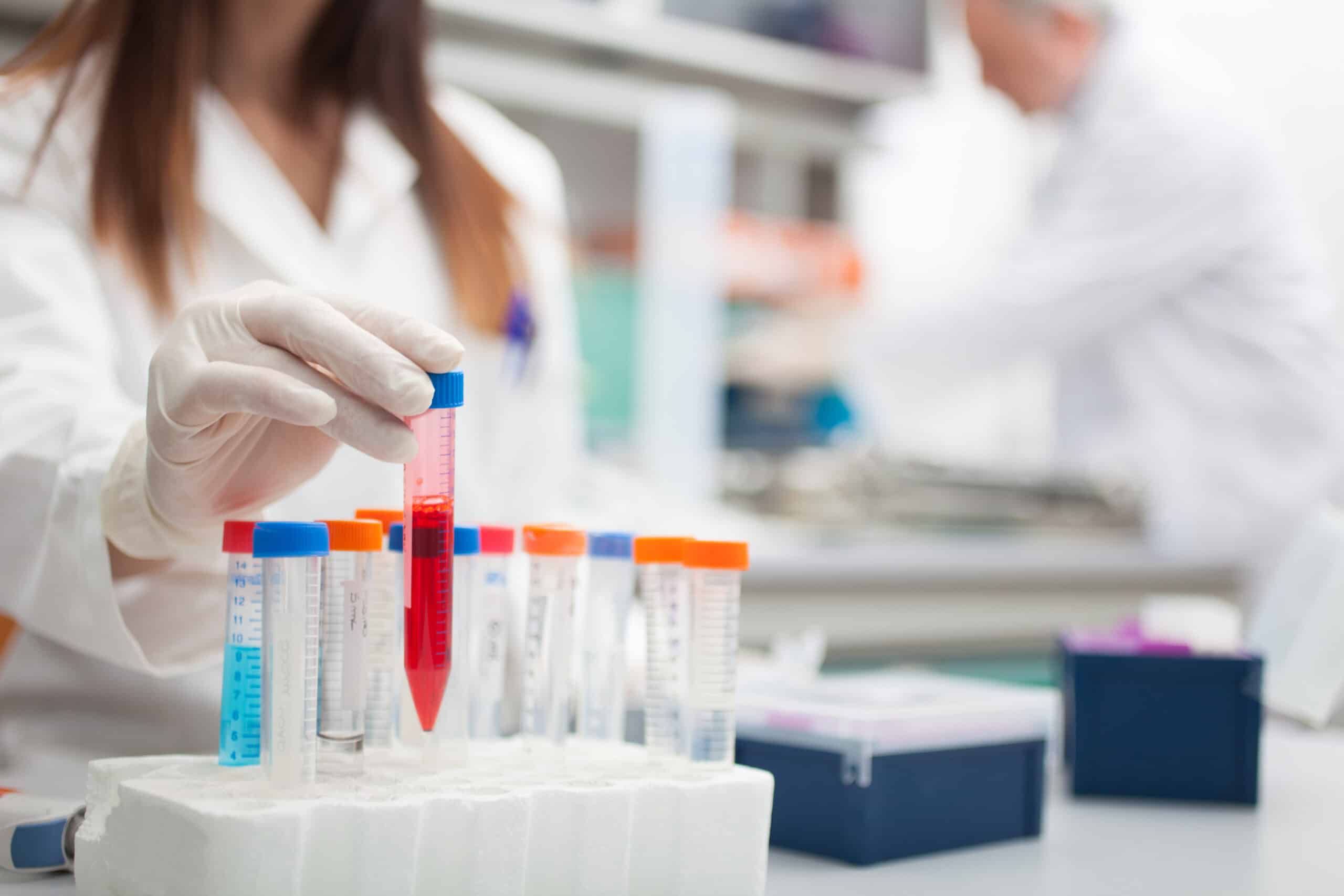
When it comes to clinical trials and research, communication is more than a logistical necessity. It’s a fundamental component that impacts everything from data accuracy to patient safety and regulatory compliance. As these trials involve multiple stakeholders, like researchers, clinicians, sponsors, and regulatory bodies, timely and secure communication is paramount. However, traditional methods like paper-based fax systems often fall short. Enter cloud fax technology, a modern solution that seamlessly streamlines documentation and communication across clinical research environments. Read on for more.
The Role of Communication in Clinical Trials
Importance of Timely and Accurate Data Transmission
In clinical trials, timely and accurate communication of data is essential. The smooth exchange of information allows researchers to coordinate across departments and locations. This ensures that trial protocols are correctly followed, data is accurately recorded, and any patient-related developments are addressed promptly. Delays in communication can have severe consequences: they can slow down trial progress, lead to data inconsistencies, and affect patient enrollment timelines. In some cases, delayed data sharing may even compromise patient safety or the validity of trial outcomes. This is why many organizations rely on Healthcare Cloud Fax Solutions to support secure, prompt, and reliable document transmission. The need for precise data sharing is especially vital when it comes to communicating the following:
- Patient data
- Laboratory results
- Trial protocols
- Medication records
- Adverse event reports
- Enrollment data
- Regulatory documentation
Real-time data transmission can support rapid decision-making, optimize resource allocation, and allow for better adherence to regulatory requirements.
Compliance and Regulatory Requirements
Clinical trials are governed by a set of rigorous regulations, including FDA guidelines, to protect patient safety and ensure ethical practices. These regulatory frameworks require accurate and confidential documentation of trial data, patient consent, and other trial milestones. Failure to meet these standards can lead to penalties, trial suspension, or even legal consequences.
Maintaining the integrity of documentation and ensuring data confidentiality are central to regulatory compliance. This is where cloud fax technology excels, as it ensures all data transmissions meet regulatory standards such as HIPAA for privacy and security. Cloud fax’s encrypted, compliant infrastructure helps ensure documentation integrity while simplifying compliance.
Challenges in Traditional Communication Methods
Inefficiencies of Paper-Based Systems
In clinical research, where time-sensitive data needs to be readily accessible, paper-based systems hinder efficient workflows and delay critical processes. In fact, studies show that employees spend an average of 30-40% of their time searching for information stored in filing cabinets or paper documents. Furthermore, paper-based communication does not align with today’s digital-first work environments, where stakeholders may be scattered across various locations and need instant access to shared information.
Risks of Data Loss and Miscommunication
Paper-based systems increase the risk of data loss due to misfiled or misplaced documents, and they heighten the potential for miscommunication. Lost patient records, misfiled consent forms, or misplaced lab results can lead to incorrect decisions. They can also impact patient safety and disrupt the research timeline. Healthcare Fax Solutions help reduce these risks by providing secure, trackable document delivery and centralized record management. Miscommunication regarding trial protocols or patient data can also create significant setbacks, impacting the trial’s accuracy and validity.
Limited Accessibility and Collaboration
For clinical research teams working across multiple locations, traditional fax systems present major accessibility challenges. Collaboration between geographically dispersed teams becomes cumbersome, as real-time access to documents is difficult or impossible. This lack of immediacy and convenience can reduce collaborative efficiency, especially in scenarios where cross-departmental coordination is required to address patient safety concerns or adverse events.
Slow Response Times and Delays
The manual process of retrieving, processing, and filing paper documents in a traditional fax system slows down the response time significantly. This can lead to delays in patient enrollment, data collection, and reporting to regulatory bodies, all of which can compromise the clinical trial’s timeline. Moreover, delayed communication can also affect patient compliance and engagement, as well as compromise overall data accuracy and reliability.
Benefits of Using Cloud Fax in Clinical Trials
Enhanced Data Security and Compliance
Cloud fax technology offers a solution for secure data transmission. With HIPAA-compliant encryption, cloud fax solutions ensure that sensitive patient information and trial data are protected from unauthorized access. Unlike traditional faxing, cloud fax services provide secure storage options. This gives stakeholders peace of mind that patient data and documentation are managed in a compliant environment.
Improved Efficiency and Speed
One of the most significant advantages of cloud fax is the real-time transmission of documents, which eliminates the delays associated with traditional faxing. Cloud fax automates document workflows, reduces the time spent on data entry, and allows for faster processing of trial-related documentation.
Streamlined Collaboration Among Stakeholders
In clinical research, collaboration among stakeholders—including researchers, sponsors, and regulatory bodies—is crucial. Cloud fax enables seamless, real-time communication, allowing multiple parties to share critical documents quickly and securely. With cloud fax, study teams can collaborate more effectively, regardless of location, ensuring that everyone has access to the most up-to-date information and can make informed decisions.
Practical Applications of Cloud Fax in Clinical Trials
Sending Patient Consent Forms
Patient consent is a fundamental part of clinical trials, and cloud fax provides a secure way to transmit these documents. Securely sending consent forms ensures that patients fully understand the trial’s purpose and their role in it, thereby safeguarding patient compliance and protecting both the patient and the research institution.
Sharing Protocols and Study Documents
Trial protocols and study-related documents need to be quickly distributed among team members. Cloud fax allows for the instant sharing of protocols, ensuring that all researchers and clinicians are following the latest guidelines, which is essential for consistent data collection and adherence to study standards.
Transmitting Laboratory Results and Data
Laboratory results are critical to tracking patient progress and adjusting protocols as needed. Cloud fax enables secure and rapid transmission of lab data to research teams. This enables the maintenance of accurate records of trial progress and patient health.
Managing Adverse Event Reporting
Adverse event reporting is a crucial aspect of clinical trials. Cloud fax simplifies the process by enabling researchers to quickly transmit event reports to all relevant parties, ensuring that patient safety issues are addressed immediately and that regulatory requirements for adverse event documentation are met.
Facilitating Communication with Regulatory Bodies
Regulatory bodies require ongoing communication and submission of trial documentation to monitor compliance. Cloud fax supports efficient document delivery to these authorities, ensuring that all required reports and documentation are submitted on time. This helps clinical trials maintain compliance and supports transparent communication about trial progress and patient safety.
Future Trends in Clinical Trials and Cloud Fax Technology
Integration with Emerging Technologies
As technology advances, cloud fax is likely to integrate with electronic health records (EHRs), artificial intelligence (AI), and data analytics tools. This integration will enable more sophisticated data analysis, allowing clinical trials to leverage patient data for deeper insights. Future advancements in cloud fax technology may further support clinical trials by providing instant access to data, predictive analytics, and improved documentation management.
In Conclusion
As clinical trials continue to grow in complexity, the need for secure, timely, and efficient communication solutions is more critical than ever. Cloud fax technology provides a modern answer to these challenges, offering secure data transmission, real-time collaboration, and automated workflows that streamline communication among stakeholders. Unlike traditional paper-based systems, cloud fax aligns with today’s digital work environments, supporting rapid decision-making and regulatory compliance while minimizing delays and data loss risks.
Contact Softlinx for Your Cloud Fax Solutions
Softlinx offers comprehensive cloud fax solutions designed to meet the unique needs of clinical trials and research. With HIPAA-compliant data encryption, real-time document sharing, and automated workflows, Softlinx helps research teams streamline communication, improve data security, and maintain compliance with regulatory standards. Contact Softlinx today to learn how our cloud fax solutions can support your clinical trials, or request a quote now.
- November 30, 2024
The Role of Cloud Fax in Lab Test Result Delivery to Physicians
In healthcare, the timely delivery of lab test results is crucial. It directly influences treatment decisions, patient outcomes, and overall efficiency in medical settings. Traditional methods for delivering lab results often fall short of the immediacy required in a healthcare environment. Cloud fax technology offers a modern solution, enhancing communication between laboratories and physicians and helping healthcare providers deliver better patient care. Read on to learn more from Softlinx.
Importance of Timely Lab Test Result Delivery
Impact on Patient Care
Timely delivery of lab results is essential in healthcare. Prompt access to lab results can be the difference between immediate, life-saving treatment and delayed care that may worsen a patient’s condition. For example, rapid test results for conditions like sepsis or heart disease allow physicians to take quick action, improving patient outcomes. In emergency scenarios, Healthcare Cloud Fax Solutions support the real-time delivery of critical lab results, enabling fast, informed decisions that directly affect patient recovery and survival.
The Physician’s Role in Interpreting Lab Results
Physicians rely on lab results for accurate diagnosis and treatment planning. When results are delayed, physicians may be forced to make decisions based on incomplete information. This can impact patient trust and continuity of care. Quick access to lab data allows doctors to interpret findings, share information with patients, and adjust treatment promptly. This fosters stronger patient-doctor relationships and ensures that care plans are based on the latest clinical evidence.
Enhancing Clinical Decision-Making
Immediate access to lab results allows for evidence-based clinical decision-making. When physicians have timely access to test data, they can create personalized treatment plans based on precise health information. For example, a physician treating a diabetic patient can make dose adjustments based on the latest blood glucose levels. Cloud fax enables this level of responsiveness by ensuring data availability as soon as tests are complete.
Reducing Hospital Readmission Rates
Studies have shown that timely lab result delivery can reduce hospital readmission rates. r instance, a study published in The Annals of Family Medicine found that follow-up within 14 days after discharge was associated with a 1.5% to 19.1% reduction in readmissions, depending on patient risk strata. When physicians can quickly act on lab data, they can better manage chronic conditions, anticipate complications, and ensure that discharged patients follow suitable treatment plans. Prompt delivery of test results also helps prevent the onset of issues that could lead to hospital readmission, allowing for more proactive care management.
Applications of Cloud Fax in Lab Test Result Delivery
Sending Urgent Test Results
Cloud fax technology allows laboratories to send urgent test results to physicians instantly, ensuring rapid response times. For example, if a patient’s blood test indicates a severe infection, cloud fax can transmit the information to the physician immediately, enabling quick intervention.
Routine Test Result Notifications
For routine lab tests, cloud fax can automate the transmission of results to physicians, ensuring a consistent and timely flow of information. This automation facilitates better follow-up care and allows healthcare providers to maintain continuity in patient care without manual intervention. Routine notifications also reduce the burden on laboratory staff and help ensure that no test results are missed.
Facilitating Communication Between Labs and Physicians
Effective communication between laboratories and healthcare providers is crucial for patient-centered care. Healthcare Fax Solutions streamline collaboration by allowing laboratories and physicians to share test results and consult on patient cases in real time. This fosters an environment of teamwork.
Facilitating Communication with Referral Providers
Referral providers often require specific test results to create an informed treatment plan. Cloud fax simplifies this process by enabling labs to quickly send results to referral providers, ensuring that care teams have access to complete and up-to-date patient information.
Managing Quality Control Reports
Cloud fax technology also supports the management of quality control reports, which are essential for lab accreditation and regulatory compliance. By transmitting these reports to stakeholders, laboratories can ensure consistent quality in test results and maintain high standards of accuracy.
Best Practices for Implementing Cloud Fax in Laboratories
Staff Training and Engagement
Implementing cloud fax technology successfully requires training laboratory staff to use the system. Providing hands-on training sessions and workshops can help staff feel comfortable with the new technology, encouraging adoption and minimizing errors.
Establishing Clear Protocols for Result Transmission
Clear and standardized protocols for transmitting lab results via cloud fax are crucial. By establishing detailed procedures, laboratories can ensure compliance with regulatory standards and minimize the risk of errors in result delivery. Protocols also support consistency, ensuring that all lab results are handled in a uniform manner.
Regular System Audits and Updates
To maintain optimal performance and security, regular system audits and software updates are essential. Audits allow laboratories to identify any issues or areas for improvement in the cloud fax process. Ongoing updates ensure that the system operates at peak efficiency and remains compliant with the latest data protection regulations.
Feedback Loops for Continuous Improvement
Creating feedback loops with physicians and lab staff can help improve workflows and communication effectiveness. Regular feedback allows laboratories to adjust the cloud fax system according to the needs and preferences of end-users, leading to continuous improvements in result delivery and overall service quality.
Frequently Asked Questions
1. Can cloud fax integrate with existing laboratory information systems (LIS)?
Yes, many cloud fax solutions are designed to integrate seamlessly with laboratory information systems (LIS). This integration allows for automatic transmission of lab results directly from the LIS to physicians and other stakeholders, reducing the need for manual intervention and enhancing workflow efficiency. Additionally, integration with an LIS ensures that all data transfers are secure and tracked, simplifying compliance and record-keeping.
2. Is cloud fax technology compatible with mobile devices?
Most cloud fax platforms are mobile-friendly, allowing authorized personnel to securely access and send documents from smartphones or tablets. This flexibility enables physicians to receive and review lab results on the go, making it particularly useful for busy healthcare providers who need immediate access to patient information, even when they’re not at their desks.
3. How does cloud fax handle large volumes of lab results during peak times?
Cloud fax technology is scalable, meaning it can handle high volumes of documents without delays or bottlenecks. During peak times, such as early mornings when lab results from overnight tests are sent out, cloud fax platforms can process large batches efficiently. Unlike traditional fax machines, cloud fax systems do not experience congestion or downtime, ensuring timely delivery regardless of volume.
4. What happens if there is an internet outage at the lab?
Most cloud fax providers have contingency plans for internet outages, such as temporary offline access, and can queue transmissions for automatic sending once the connection is restored. Additionally, cloud fax solutions are generally hosted on secure servers with high availability, ensuring minimal downtime and uninterrupted service.
5. Can cloud fax support multi-language document transmissions?
Yes, cloud fax platforms can support documents in multiple languages. This ensures that lab results, consent forms, and other patient documents can be transmitted in the required language for international patients or diverse communities.
In Conclusion
Cloud fax technology represents a powerful tool for enhancing lab test result delivery in healthcare. By enabling timely, secure, and efficient communication between laboratories and physicians, cloud fax supports better patient care and strengthens the healthcare system’s ability to respond quickly to patient needs. Whether for urgent tests, routine notifications, or quality control, cloud fax streamlines result transmission and ensures that critical information reaches the right people at the right time. For laboratories and physicians alike, cloud fax offers a pathway to improved communication, patient trust, and quality of care.
Contact Softlinx for the Best Cloud Fax Solutions
If your laboratory is ready to enhance its communication processes, Softlinx provides customized cloud fax solutions tailored to your result delivery needs. Contact us today to discuss how our solutions can support your lab’s commitment to timely, accurate, and secure test result delivery. You can also request a quote via our online form now.Bottom of Form
- November 2, 2024